Maestri, testi e fonti d’Oriente
open access | peer reviewed
Presentazione
The book series, sponsored by the Department of Asian and North African Studies, aims to enhance theoretical and practical research across the main area studies of the Department. The series focuses on texts and sources which are often neglected and don’t find adequate recognition even in scholarly publications, running the risk of being lost once and for all. These are primarily oral/audio, visual, and documentary materials. The series is thought of as a repository of original, primary sources which for their rarity and originality deserve to be adequately preserved and made available to the scholarly community. “Masters, Texts, and Sources” must therefore be understood in the broadest sense, i.e. as an interdisciplinary, cross-cultural enterprise, intersecting the fields of linguistics, philology, literature, history, sociology, anthropology, and the arts.
Permalink doi.org | e-ISSN 2724-1149 | ISSN 2724-0665 | Lingua en, hi, it | ANCE E259703
Copyright This is an open-access work distributed under the terms of the Creative Commons Attribution License (CC BY). The use, distribution or reproduction is permitted, provided that the original author(s) and the copyright owner(s) are credited and that the original publication is cited, in accordance with accepted academic practice. The license allows for commercial use. No use, distribution or reproduction is permitted which does not comply with these terms.
Ultimo volume pubblicato
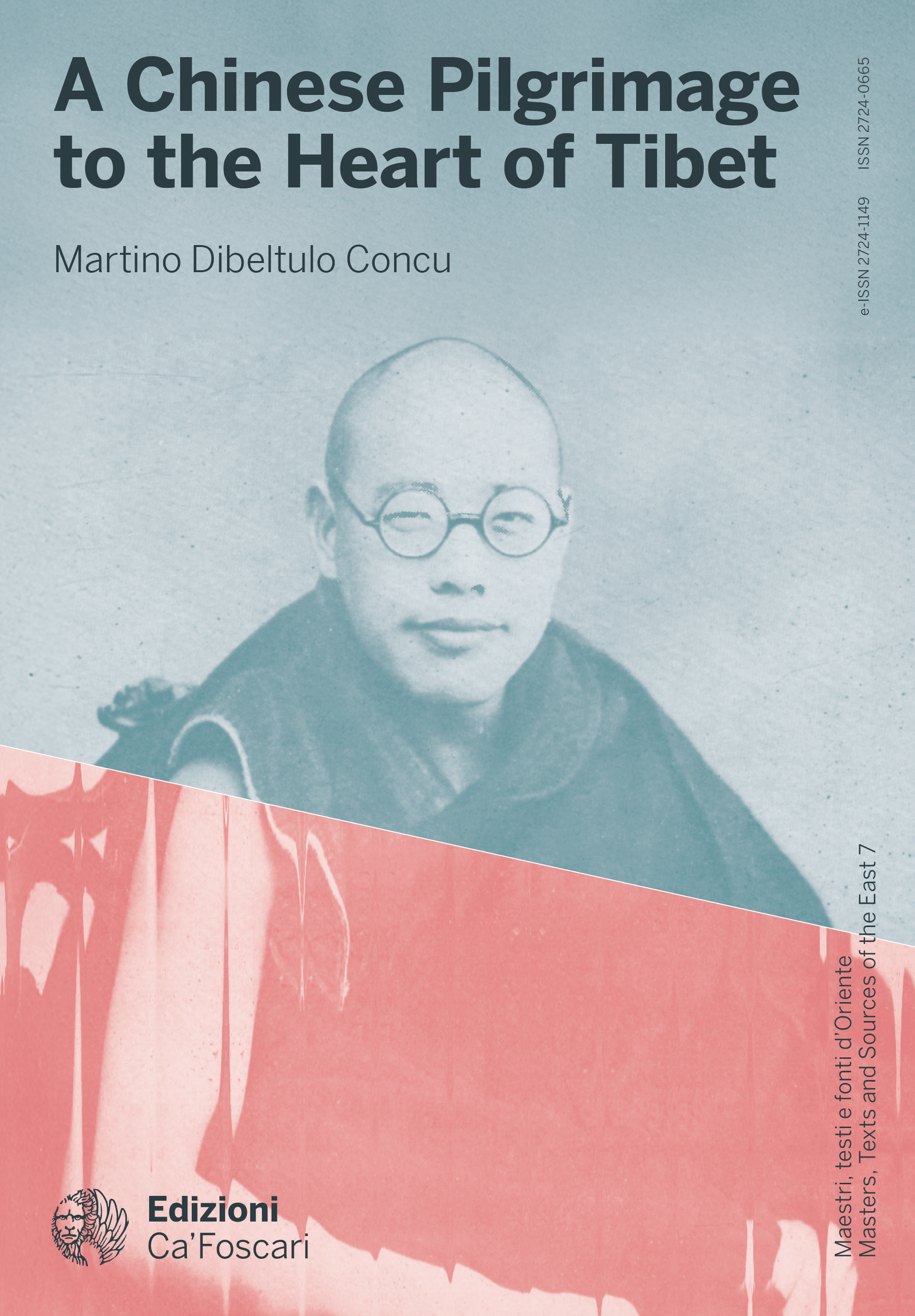
- A Chinese Pilgrimage to the Heart of Tibet
- 15 Aprile 2026
Published in Chongqing in 1937, Xiandai Xizang 現代西藏 (Modern Tibet) is a key study of Tibet during the tumultuous period of Japan’s invasion of China in World War II. Authored by Fazun 法尊 (1902-1980), an eminent monk, scholar, translator, and authority on the Tibetan language, this work illuminates the interplay of society, religion, politics, and empire that shaped China-Tibet relations in a transformative age. Despite Fazun’s major contribution to Tibetan and Buddhist studies in China, his legacy has often been detached from the relationships he cultivated with his Tibetan teachers and reimagined in modernity within the ancient lineage of Chinese pilgrim-translators. Still, his influence remains profound to this day. This project presents the first English translation of Fazun’s original work, striving to bridge a gap in academic scholarship and enhance understanding of this critical historical period. The translation is grounded in philological research and historical-religious analysis. It is based on the first edition of Xiandai Xizang from 1937, which the author consulted during his tenure at the University of Sichuan, Chengdu in 2006. The translated volume is structured to include the translator’s introduction, the English translation, and the original Chinese text. The introduction not only outlines Fazun’s life and the context of his work but also assesses how effectively he carried the legacy of the Chinese pilgrim-translator tradition into modernity. This project, by offering the first comprehensive study of Fazun’s original thought and writings, aims to refine existing insights and foster a dynamic dialogue with contemporary scholarship in Tibetan and Buddhist studies.
- 294 download 4601 search
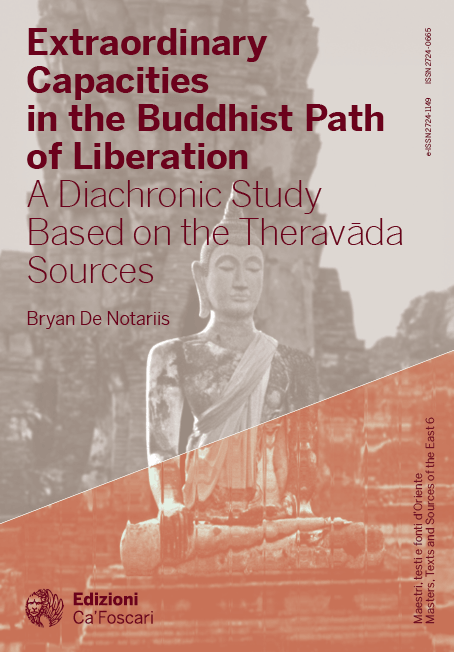
- Extraordinary Capacities in the Buddhist Path of Liberation
- 25 Marzo 2026
- 274 download 1068 search
- अघोराचार्य कीनाराम और उनका विवेकसार | Aghor Master Kinaram and His Viveksār
- 12 Novembre 2025
- 90 download 890 search
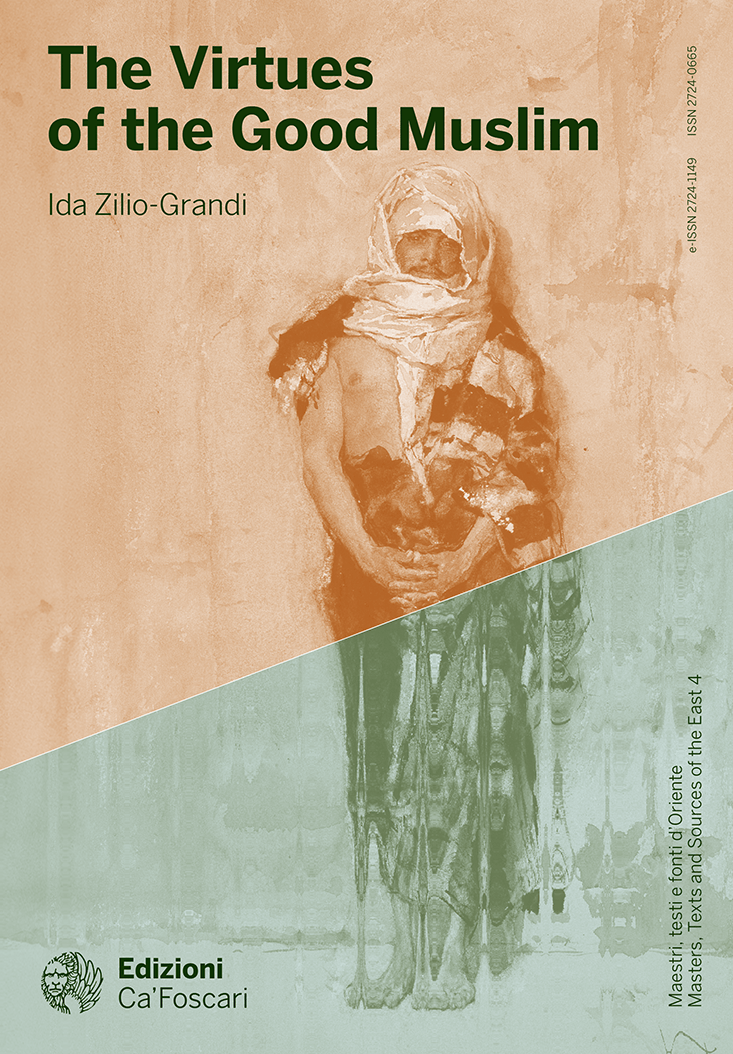
- The Virtues of the Good Muslim
- 09 Maggio 2025
- 766 download 2469 search
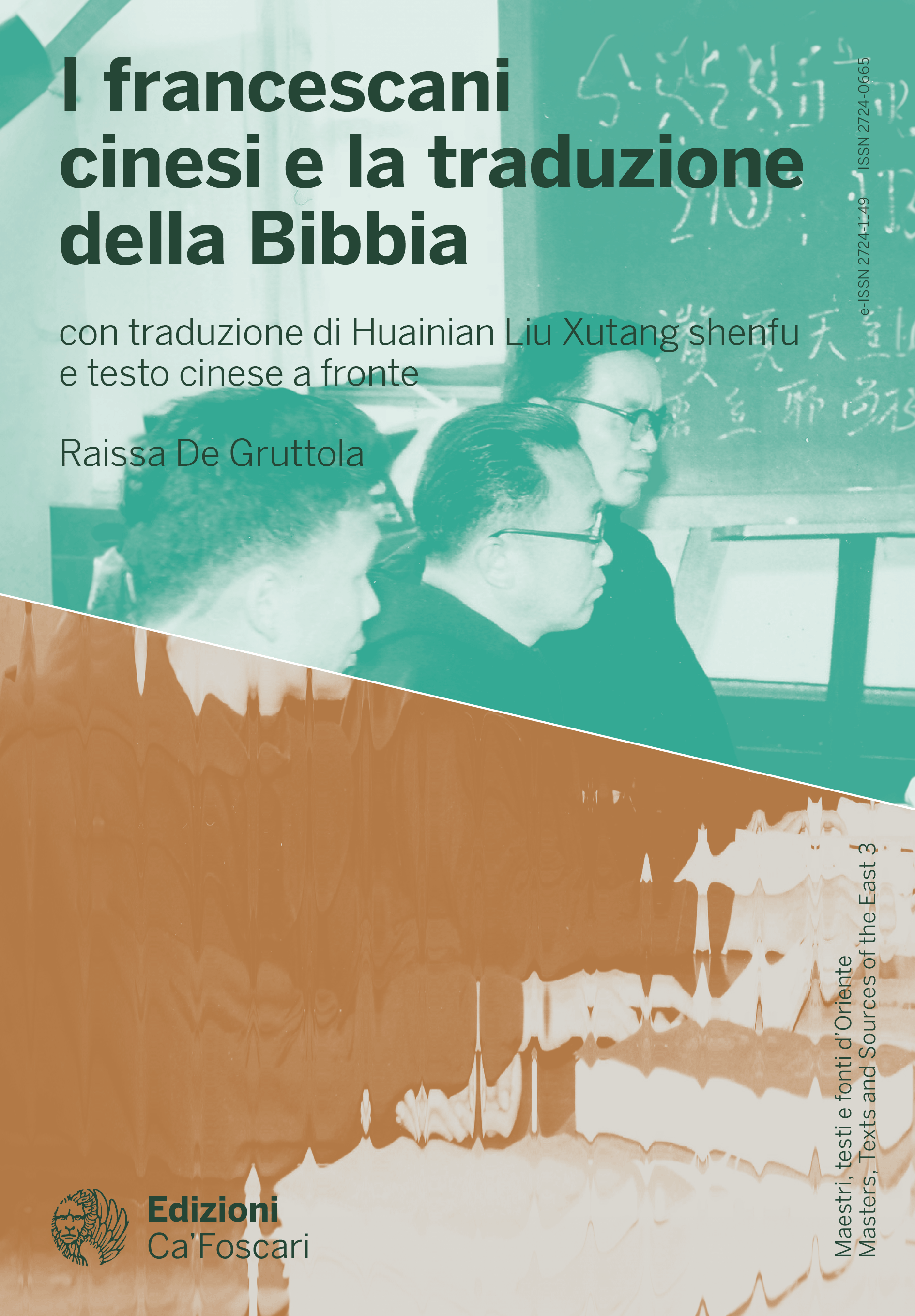
- I francescani cinesi e la traduzione della Bibbia
- 10 Gennaio 2023
- 1376 download 3761 search
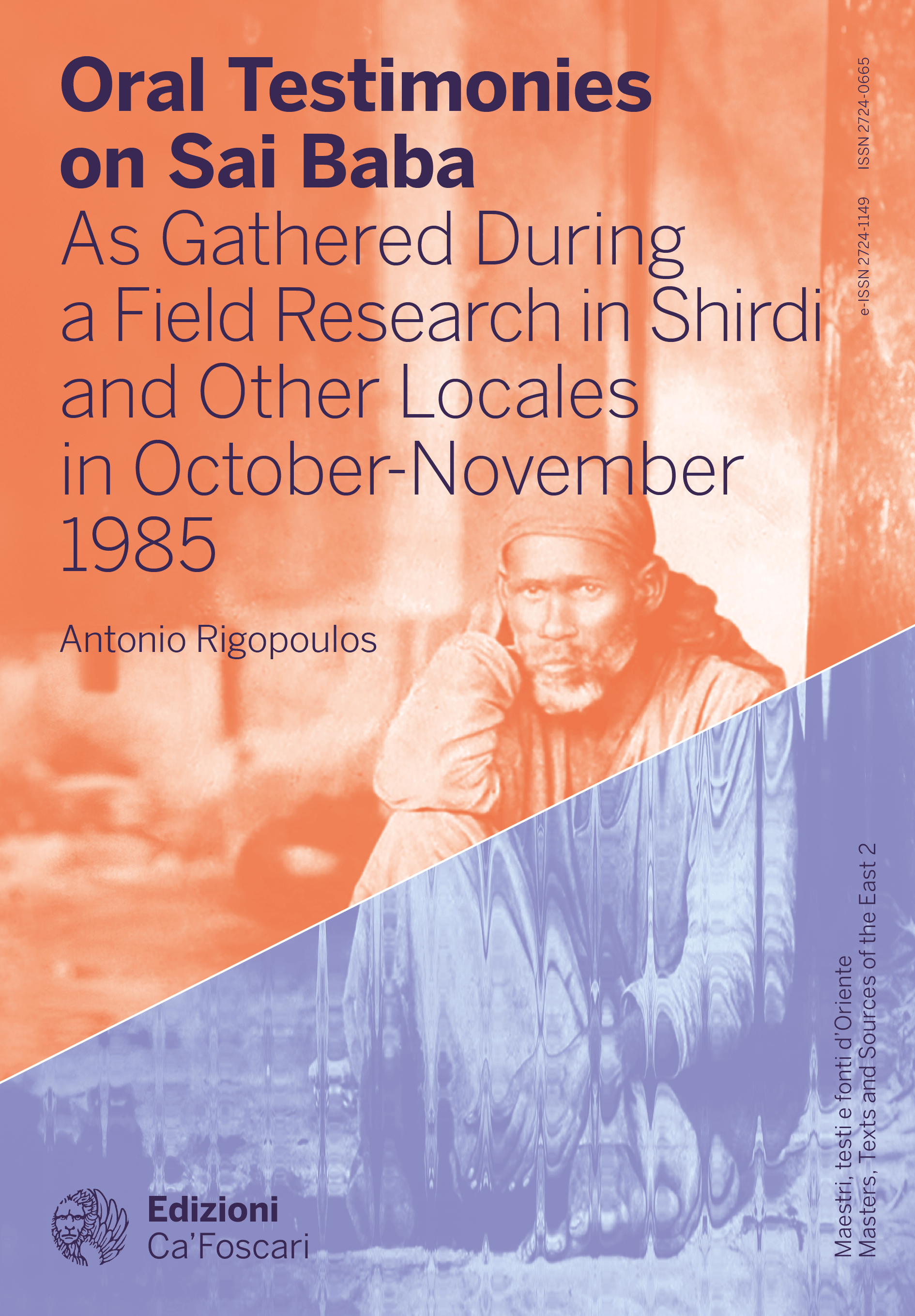
- Oral Testimonies on Sai Baba
- 09 Novembre 2020
- 1236 download 3916 search
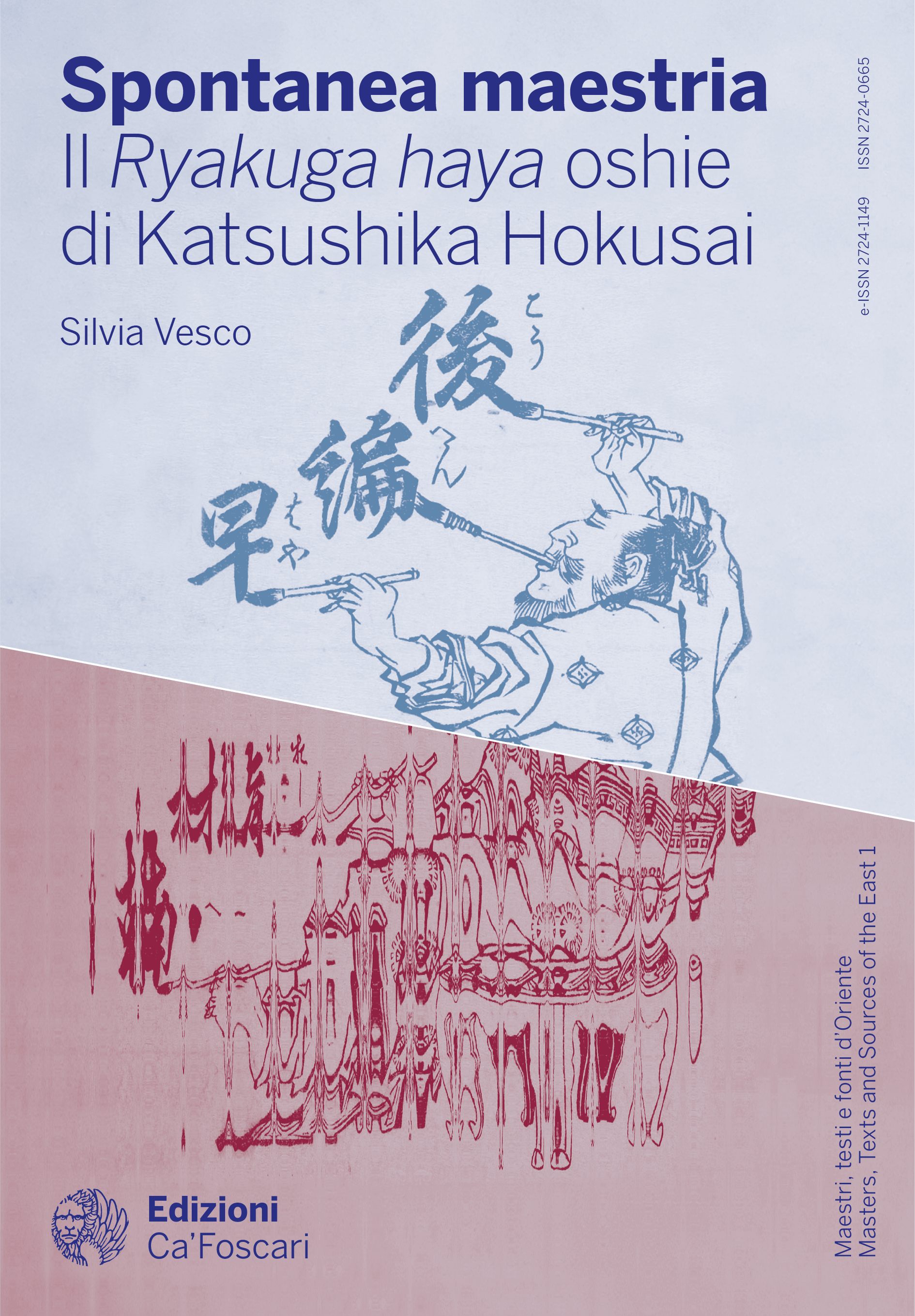
- Spontanea maestria
- 29 Maggio 2020