Representing Refugees in Children’s Transethnic Literature: Two Multilingual and Intermedial Narratives as a Case Study
Abstract This contribution aims to explore two picture books of transethnic literature that open up intermedial narrative paths by supporting each of the proposed books with a free accessible illustrated audio book. Accordingly, it examines the extent to which implementing English as a Foreign Language (EFL) lessons with such multimodal stories about migration can engage students in deconstructing such tropes as the idea of a national literature, a mother tongue language, a stable community of belonging and a hostile country of arrival that typically characterise mainstream migration narratives and paradigms.
Keywords Migration. Narratives. Language. Intermediality. Decoloniality.
1 Introduction
In an era of global crises on multiple scales, it has been a priority for scholars engaged in the humanities to find distinctive tools and materials that enable both general readers and students of world languages and literatures to acquire awareness of translingual and transcultural knowledge and practices. Rather than reflecting on English as a language with a colonial history, institutions tend to favour a view of English as a neutral, culture-free tool for professional success. In fact, English has long been taught as a ‘neutral’ tool, a technical type of knowledge that is passed on without questioning its role in history and in creating the current state of the world, which actually perpetuates its use as a instrument for discrimination and oppression. With the increasing changes in classroom configurations, the urgence of rethinking language teaching and environment has become inescapable.
This conservative view draws on such consolidated issues as the cultural model of monoglot standardization, of proper English versus linguistic variety, and of native speakers versus new speakers which have helped to deconstruct the hegemonic qualities of Global English, as well as the label of neutrality conventionally associated with it. Traditionally, the ideology that underlies the nativeness model reproduces a series of myths according to which the variety of English – but not only – spoken by a native is a model of preferable and desirable correctness. This common opinion has inevitably triggered a dichotomous classification of linguistic identification that pits the native against the non-native and has promoted the idea, devoid of any scientific foundation, that moving away from the centre or from the historical and authentic origin of the native language detracts from the quality of the language. Moreover, the boundaries between native and non-native English speakers are increasingly fuzzy, and the notion of nativeness is losing ground in favour of plurilithic (as opposed to monolithic) and evolving cultural contexts (Jenkins 2015).
Specifically, retracing the main dynamics through which the process of the most recent globalization trends has led to the hegemony of the English language problematises the dissemination of the myth of English and the rhetoric of naturalization. Among these is the diffusion of a model based on a culture of monoglot standardization, which Silverstein defines as the constitutive base of a linguistic community that influences the structure of different communities of speakers (Silverstein 1996, 284). Drawing on a purist idea of language, this cultural model exerts its influence within a linguistic community that is linked to the idea that there is a rule that allows an individual to use his/her own language for denotative purposes, by reproducing a natural social and linguistic order (Preisler 1999; Taronna 2016).
In particular, such standardization is consolidated as a hegemonic process through different phases and methods based on social codification and the functional usefulness of language as a means of representation or denotation. Finally, the rhetoric of standardization in the form of naturalization of the language has consolidated two dichotomous value models: possessing the standard (possession-of-standard) gives the individual a high social and cultural status; not having the standard (lack-of-standard) becomes a negative indicator of the social and cultural status of the speaker. In both cases, however, pursuing a model based on a standard language, as many educational institutions do, becomes unsuccessful when it must be taken into account that the purist idea of language is only an ideological construct historically marked by stories of colonization, diaspora, forced migration, nationalism, abuse, and sometimes even fanaticism.
Yet today, the plurality of languages is more visible largely due to migration and mobility. The experience of migration (whether voluntary or involuntary) dislocates people as well as languages, and only the acceptance of language plurality, the polyphony of stories, linguistic habits, and cultures will facilitate hospitality and translation. In contemporary scenarios, this is particularly easy to observe when taking into consideration ELT classrooms where non-native speakers interact by sharing different linguistic and cultural heritages, thus problematising the traditional understanding of language as a social projection of territorial unity held together by common behavioral norms, beliefs and values. In this view, ELF classrooms can be conceived of as contact zones where it is possible to experiment with the use of English as a translingual practice that reminds us of different theoretical neologisms and paradigms such as those elaborated, among others, by the decolonial linguist Pennycook (1998) who, in defining the new varieties of English as “plurilithic Englishes”, tries to systematize and problematise the principles and conditions that might shape these new variations of English (i.e. ‘Englishes’). Similarly, the use of English as a translingual practice was also predicted and encompassed in 2010 when Ofelia Garcia coined the term “translanguaging” to refer to “new language practices that make visible the complexity of language exchanges among people with different histories, and releases histories and understandings that had been buried within fixed language identities constrained by nation-states” (Garcia 2010, 520). In line with such a reconceptualization of terms and practices related to language exchanges, the decolonial linguist Canagarajah introduces the idea of “translingual practice” as one that, while recognizing norms and conventions established by dominant institutions and social groups within given contexts, is more closely focused on the fact that speakers can negotiate such norms according to their own repertoires and translingual practices.
Accordingly, assuming the creative power of the new linguistic models born around English – a language that is becoming less and less monolithic, more adaptable and more open to negotiation, this contribution sets out to examine how an English language university course for Prospective Primary English Teachers (PPETs) turns out to be a place both for shaping theoretical assumptions on complex discourse constructions framing deep and problematic (de)colonial relationships. Additionally, it also aims to implement English Language Teaching (ELT) classes with new teaching materials such as the multimodal narratives on migration that have been selected for this study in order to bring the human speakers back to the centre.
In particular, we are interested in the way the intersection between language(s) and stories of migration finds a space within pedagogy and in particular ELT pedagogy. Over the last ten years, the experience of teaching English to undergraduate students of primary education has served as both the context and the content of my courses for Prospective Primary English Teachers (PPETs),1 shaping but also shaped by theories, policy analysis, and studies of practice circulating in the field. Drawing on this experience, the present study is an attempt to understand why and how to train PPETs in such challenging topics as migratory flows, citizenship education, cultural diversity, and competence through the use of multiethnic children’s literature. Among the general motivations that have sparked and nurtured such a research and educational goal, it is worth mentioning the role that prospective teachers can play as agents of change and reformers in the composite contemporary geolinguistic scenario insofar as they know from the start that they are part of a larger struggle and that they have a responsibility to reform, not just to replicate, standard school practices. Furthermore, taking into account the dramatic changes in demography across Italy and many other European countries, the need to prepare teachers for a more culturally responsive teaching environment stands out as a national educational priority.2 This preparation will give teachers the chance to become critical readers and inquirers, and to develop intercultural competence in different educational contexts by using such powerful tools as the multilingual and intermedial narratives that offer representations of migrants, refugees, and asylum seekers which counter stereotypical mainstream portrayals of them.
1 They are generally young students but also include mature students who have already graduated in other courses such as educational science, modern languages and literatures, or philology. During their five-year course in primary education, they have to complete three different English syllabi (Lingua inglese I, II, III, IV, V) and the pass the three respective exams, in order to earn their English language teaching qualification for primary schools (abilitazione all’insegnamento della L2).
2 Gay (2002) defines culturally responsive teaching as “using the cultural characteristics, experiences, and perspectives of ethnically diverse students as conduits for teaching them more effectively” (106).
2 Decolonising EFL Pedagogy: A Praxis from the Global South
In the light of the contemporary migratory flows that have contributed to the constant evolution of the linguistic models that speakers can use, it would be of little use to speak of standard English today or to replicate a hierarchy of English defined as more or less valid, given the heterogeneity of its domains. Having become aware of the dynamics that have led to the diffusion of English at an international level, one might perhaps agree with Rajagopalan (2004, 11) when he provocatively affirms that “English has no native speakers”, sanctioning, in some way, the transfer of ownership of English from its (former) native speakers to new speakers. Thus, the present situation for English expansion is not as it was during colonialism because English varieties are now disrupting efforts at standardization.
Crucially, over the past thirty years, research on the evolution of English3 has played a major role in promoting the recognition of the creativity and legitimacy of the new forms of English that have emerged in our postcolonial, globalizing world. Driven by the insight that speakers for whom English is not the native tongue now outnumber those for whom it is, the above-mentioned scholars have pointed out that English “as a consequence, is being shaped, in its international uses, at least as much by its non-native speakers as its native speakers” (Seidlhofer 2004, 211-12).
3 Firth 1996; Canagarajah 1999; 2013; House 1999; Jenkins 2000; 2007; Seidlhofer 2004; 2011; among others.
Accordingly, deviating from linguistic purity, native speakerism, and language ownership, this study also aims to demonstrate that what we need in prospective teacher education are productive ways of constructing progressive, holistic, and engaged pedagogy, as suggested by hooks (1994, 15). Specifically, she promotes a notion of praxis as a combination of reflection and action which requires teachers to be aware of themselves as practitioners and as human beings if they wish to teach pupils in a non-threatening, anti-discriminatory way. Thus, the goal of any teacher should be to develop self-actualization and intercultural competence through the “decolonisation of ways of knowing” (hooks 2003, 3) and systematic self-critical inquiry.
Among the promoters of the idea of pedagogy as a praxis, we take into consideration Walter Mignolo’s approach, which envisages and elaborates a decolonial epistemology and a critical method, also known as “border thinking”, which allows both scholars in the humanities and language practitioners to switch from imperial and territorial epistemology to an epistemology emerging from the places and bodies that have been relagated to the margins (e.g. the anthropos, the East, the Third World, the imperial language) (Mignolo 2011, 91-2). His decolonial approach is one of the theoretical frameworks that we adopt here in order to examine the case studies under discussion that enact what he defines as “epistemic disobedience”. This is a lens used to reshape the knowledge and languages that have undergone centuries of systematic suppression and to imaginatively construct pluriversal social, communicative, and educational institutions (Mignolo, Walsh 2018, 241). Additionally, Mignolo’s border thinking challenges categories, entities, and objects that populate Western epistemologies and, consequently, the “representation” which has come to be a key word of the rhetoric of modernity. Representational rules and norms that for decades have been applied to regulate social and environmental life, as well as language(s), are reshaped by Mignolo in terms of more relational knowledge and processes. A language pedagogy influenced by these shifts will give more importance to the adaptive and generative dispositions that students can creatively use for the diverse unpredictable communicative situations they encounter rather than to disembodied teaching materials and policy concerns such as program development. In fact, in such a view students will be prepared for lifelong learning rather than receiving the false hope that a set of grammatical norms will help them. As ELT scholars and practitioners, we have to cultivate in PPETs dispositions that may foster the constant negotiation of meanings in diverse environments and, in turn, social becoming and bonding. As a consequence, we can come to perceive and recognize the creative power of the new linguistic models born around English – a language that is becoming less and less monolithic and more adaptable for negotiation in Global Southern contact zones, as outlined by the decolonial linguist Canagarajah. In his introduction to the special issue of ELT Journal on Decolonizing ELT (2023), he defines pedagogy as a praxis that, on the one hand, expands beyond the classroom and knowledge concerns to accommodate embodied affective, social, and cultural learning that draws from and transforms environmental and geopolitical spaces, and, on the other hand, involves the reflexivity of action, reflection, and relearning, thus challenging the condescending view of ‘practice’ as secondary to research, policy, and scholarship.
In line with what Mignolo had already envisaged, Canagarajah goes beyond the prescribed readings in the syllabus and proposes a more dialogical pedagogy in which student and teacher interactions develop stances against dominant language ideologies and narratives, that is, the codified versions of pedagogy in the form of textbooks, handbooks, or published materials which draw from a different kind of expertise – that of materials preparation, longitudinal and systematic trials, and textbook publishing. In all these orientations, teachers are treated as mere technicians who implement knowledge handed down to them by experts. To such a normative approach to English language teaching, Canagarajah counterposes a more complex orientation to pedagogy based on Global Southern knowledge to be conceived of as
including both autochthonous Indigenous peoples and diverse native communities colonized by Europe in modernity and subject to continuing forms of domination through the hegemony of its ideological, state, and economic structures. (Canagarajah 2023, 8)
However, for the purposes of the present study, the term ‘Global Southern’ has also been extended to encompass the context in which the reported experience of teaching English to PPETs has been carried out, that is, an undergraduate course at the University of Bari. Crucially, this city proves to be a crossroad of migration flows and transnational interests in Southern Italy that are leading to new models of contact between people with different linguistic and cultural heritages, thus problematising the traditional understanding of language as a social projection of territorial unity held together by shared behavioral norms, beliefs, and values. Additionally, the term ‘Global Southern’ also refers to the environmental state of the Global South that is framed by the two stories of the refugees who feature in section 3.4 By widening PPETs’ perspectives on migration as a crucial force that crosses Global Southern spaces, both physically and linguistically, the selected stories will help to question geopolitical borders and to restructure the human, urban, linguistic, and cultural landscape, thus contributing to the emergence of new worldviews on migration along the Mediterranean routes.
4 Here the word “multilingual” refers to the fact that the selected stories that were originally written in English are also available in Italian and other European languages. The choice to translate such narratives can be conceived of as a tool for resisting monolingual discourse and for developing the representation of refugees’ stories in real language teaching and learning situations.
Finally, as it stands here, children’s transethnic literature can also develop and expand multicultural understandings by depicting experiences that are common to all by recounting the things that make each cultural group special, and by exploring the effects of migration on the lives of ordinary individuals. The challenge here is to integrate such literature into the classroom as one method for introducing concepts and agents for change, and for creating learning communities among PPETs that not only acknowledge and celebrate interculturality but also dissolve stereotypes in educational settings. Crucially, the proposal basically aims to train PPETs to develop intercultural competence through multilingual children’s literature, but also to help them understand the part language(s) plays in acculturation and to recognize how migrants, refugees, and asylum seekers can influence culture in Italy too. Putting cultural diversity at the heart of their didactic approaches and methods, PPETs can teach pupils to recognize likenesses and differences, to change traditional views on such issues as language, belonging, community, citizenship, and inclusivity, and to understand that the borders between countries are not permanent.
3 Words in Pictures: The Performative Power of Refugees’ Narratives Across Language(s)
Language is particularly revealing and important as a key mechanism by which stories are transmitted across generations and across cultures, and therefore a potential point of intervention. The relationship between language and the underlying stories that societies, cultures, and people’s lives are built on is a highly complex one, and subject to a great deal of debate within the literature on linguistics. The latter provides tools for analysing the texts that surround us in everyday life and shape the kind of society we belong to. These tools can help reveal the hidden stories that exist between the lines of the texts and can make more evident and explicit the intersection between migration and language.
With this in mind, the research goal of this section is twofold: first, we propose specific content and sessions for a teaching project on the selected refugees’ narratives that can be carried out within a PPETs class; second, we provide a narrative content analysis (Clandinin 2013), along with a multimodal approach (Machin, Caldas-Coulthard, Milani 2016) that evolves around distinctive language and visual patterns in the texts in order to identify and analyse the discursive constructions of such categories as language, migration, belonging, homeland, race, and discriminatory stereotypes. Such goals are not new in the research field of the decoloniality of ELT through picture books, as the contributions by Bland (2018) and Ibrahim (2020) prove. In particular, the former encourages ELT practitioners to diverge from monomodal novel formats and to opt for such multimodal literary texts like picture books as a powerful instrument of human thought that serves to expand cognitive abilities and to foster the acquisition of new perspectives and intercultural awareness though the main literatures in English from nations throughout the world (Bland 2018, 7-8). Similarly, the latter author examines the benefits of using multilingual picture books in the ELT classroom to achieve more inclusive teaching and learning practices by questioning the use of exclusively English-language books and the appropriateness of English to represent every culture when attempting to teach interculturality (Ibrahim 2020, 31). More incisively, it is also worth mentioning the PEPELT project,5 which is built on a community of practice that supports teachers and professionals in the field of language education to critically explore, select and use picturebooks in the classroom to develop language as well as intercultural understanding and an awareness of global issues.
5 PEPELT stands for Picturebooks in European Primary English Language Teaching, a project that began as an idea in 2017 when four friends, all passionate about using picturebooks in Primary English Language Teaching (PELT), worked on an application for funding from a European body. During the Covid pandemic, it supported teachers and parents working remotely by creating mini picturebook e-lessons based on a read-aloud by a picturebook creator. For more information, visit https://pepelt21.com/.
To these ends, the use of children’s transethnic literature is encouraged through two specific picture books that open up intermedial narrative paths6, given that each of the recommended books is also supported by an illustrated audiobook accessible free of charge: My Two Blankets by Irena Kobald and Freya Blackwood (2014) and My Name Is Not Refugee by Kate Milner (2017).7 In addition to the relevance of migration-related topics, there are other significant reasons that motivate the selection and implementation of the above-mentioned picture books within an EFL course designed for PPETs. Among them, the fact that the books are available both in English as the source language and in Italian serves two different teaching and learning purposes, along with different targets (e.g. PPETs, multilingual primary classes).
6 A partial analysis of the two case-studies has been published in Rubini, Taronna 2023.
7 By asking young learners to draw on previous knowledge and experiences to interpret the visual-narrative sequences of the picture book, PPETs can engage in dialogic, intertextual, and multisensory reading, thereby enhancing the visual literacy skills of the learners. This exploratory journey into the visual semantics of the picture book highlights illustrative criteria such as iconography, iconology, and intertextuality, which enhance the hermeneutic possibilities of a visual text, eliciting an affective-emotional response in the reader and constructing ‘meaningful relationships’.
To this end, a set of evaluation criteria has been outlined as an example of useful guidelines:8
8 The table below is adapted from Cullinan, Galda 2005; Kasten, Kristo, McClure 2005; Robles de Meléndez (unpublished).
|
The story and the characters are free of any historical distortions, gender or ethnic stereotypes. Messages about the cultural group, including gender, race, and social class, are free of any bias. Characters are portrayed according to the time and setting. If set in contemporary times, characters reflect current lifestyles. Characters reflect a variety of physical diversities. The story presents people with disabilities in a positive, non-stereotypical way. Female and male characters are presented in a variety of roles that exemplify non-stereotypical tasks. The roles of females and males are equal and consistent with those in their cultural groups. Roles and the importance of families are reflective of views held by the cultural group. People from diverse groups are portrayed in positive and leadership roles. Illustrations depict the culture and people in culturally accurate ways. |
These evaluative criteria can be implemented in the following examples of lesson plans built on (a) specific content and linguistic objectives, and (b) strategic timing, sequencing, and development of the activities. Through the reading of/watching/listening to the suggested stories, the content objectives will deal with issues of migration, language, belonging, citizenship, inclusivity, and interculturality. By focusing on this content, PPETs can support the development of inclusivity through empathy, which is the ability to share in the perspectives and emotional feelings of others. They can also promote intercultural sensitivity by ensuring that children are able to react in positive ways to similarities and differences among people.
Against this background, the linguistic objectives will be pursued by using the original (English) edition of the two picture books and by resorting to ELF as a contact language in multilingual classes, along with their respective Italian translations as needed. By reading/listening and comparing the two stories, terminology related to migration, belonging, citizenship, inclusivity, and interculturality (e.g. old/new, cold/warm, hard/soft, comfortable, strange/weird, safe, sad; leave, remember, feel, cry, laugh, change; home, war, friend) will be identified and discussed. In particular, attention will be drawn to the performative power of the words identified and underpinned by the performative power of the illustrations (e.g. fences, small boats, water metaphors).
With regard to the timing, sequencing, and development of the activities, they can be carried out by implementing four lesson plans with an estimated time of 45-60 minutes for each session. The sequence of the activities will be set as follows: making predictions (lesson plans 1 and 2) and connections (lesson plan 3), then giving opinions and opening up discussion for output (lesson plan 4). More specifically, in lesson plan 1, the English teacher/educator shows and shares the title pages and front covers of the books:
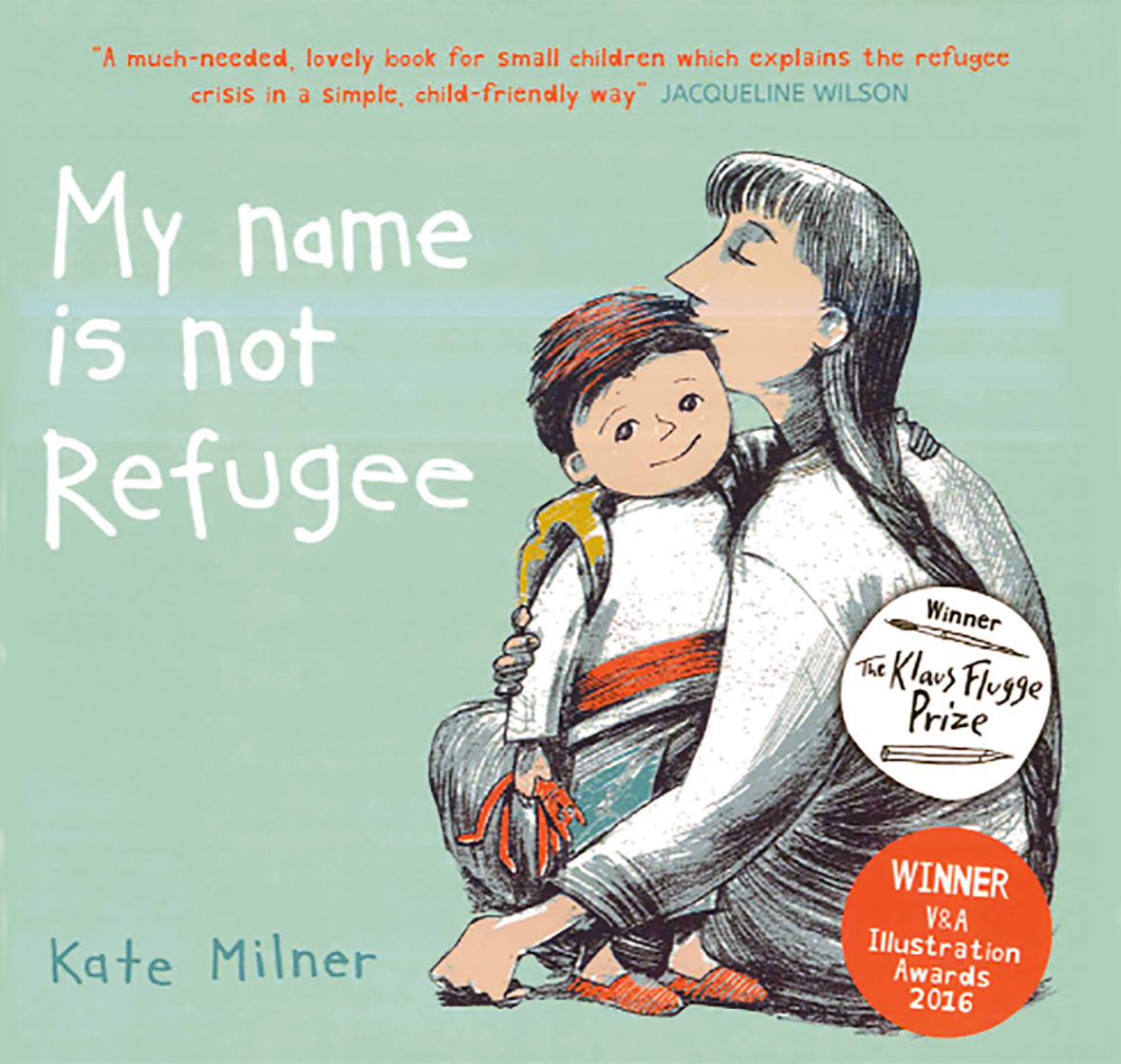
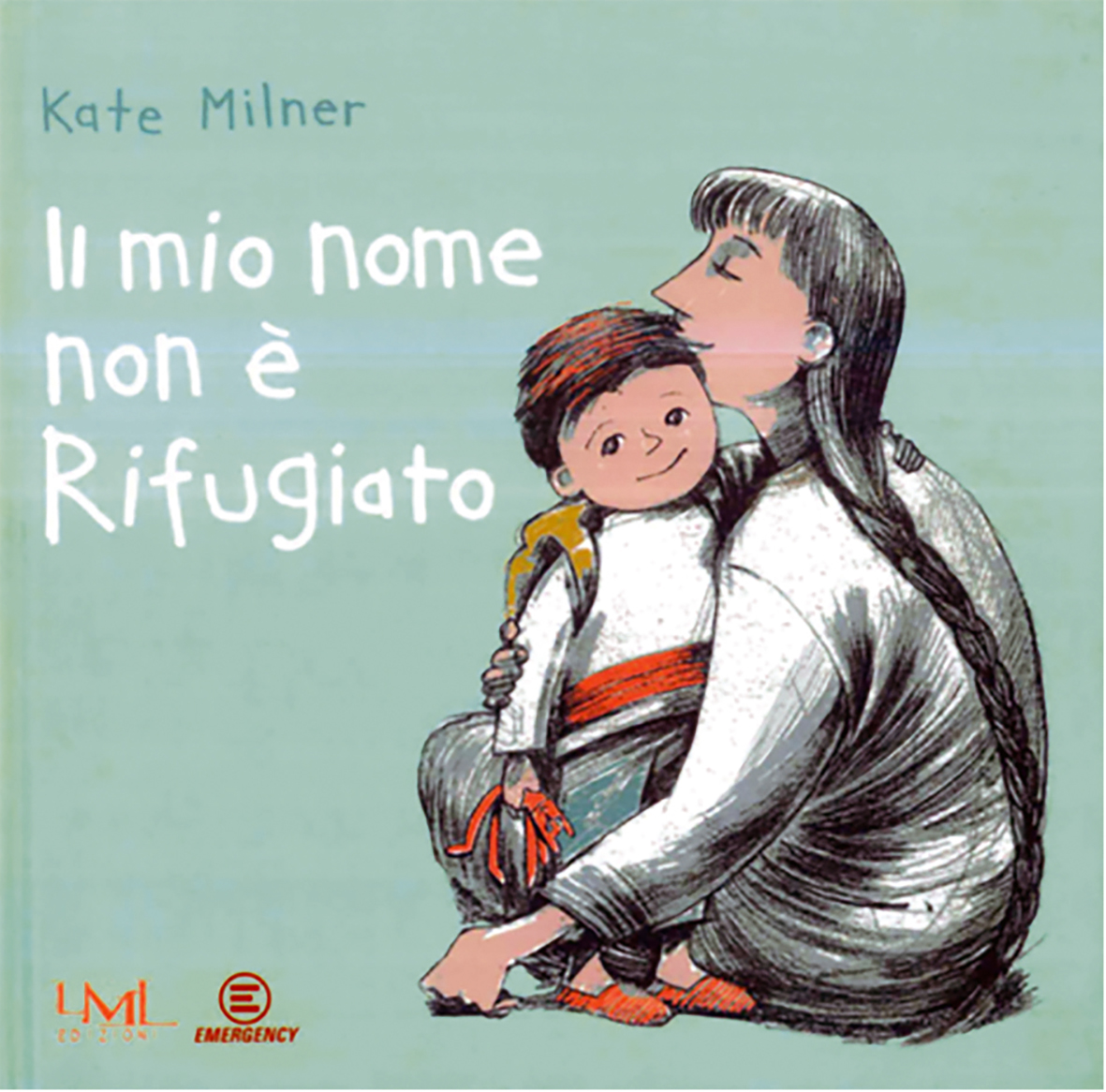
Figures 1-2 Title pages and front covers
Then, s/he asks the PPETs to undertake the following tasks: (a) identify the different children portrayed by race, age, and what they are doing; (b) identify the setting of the story; (c) make predictions about the story; and (d) look again carefully at both covers and focus their attention on the similarities in the female characters or on other surrounding elements portrayed.
In lesson plan 2 (entitled “Let pictures speak!”), the English teacher/educator shows the illustrations for each stage of the story and asks the PPETs to (a) follow along; (b) ‘translate’ such visual (re)presentations into Italian (no more than 15 minutes for each picture book); and (c) add missing details from their own imaginations. Then, s/he reads the stories aloud (15 minutes for each).
In lesson plan 3 (“Linking wor(l)ds”), the PPETs are asked to (a) retell the stories in English showing the illustrations as the plot develops and (b) make any connections to other picture books and fairy tales or to their personal experiences of the world. Finally, in lesson plan 4, the English teacher/educator can help the PPETs discuss the stories and give reactions through the following sample questions and guided activities:
-
How were the protagonists in each story different from each other?
-
How were they similar?
-
Make a graph of their physical diversity choosing categories such as: light skin, dark skin, tall, short, curly hair, straight hair. Remind the PPETs that individuals may fall into more than one category.
-
What kind of (visual, material, linguistic) symbols emerge from each story?
-
What kind of common words/pictures/topics connect the two stories?
-
Try to remember whether you have ever dealt with a physical or imaginary border in your life. Share your experience with the class and tell how you have ‘crossed the border’.
The visual, material, linguistic, and symbolic references to migration, language, belonging, citizenship, inclusivity, and interculturality that emerge from the four lesson plans as common linguistic patterns in the texts are also provided by the following narrative content analysis (Clandinin 2013), along with a multimodal approach (Machin, Caldas-Coulthard, Milani 2016). Specifically, such linguistic patterns thematise the complexity of the migration experience through constant references to the past and the present, the place of origin and destination, the mother tongue and the language to be acquired. The performative power of these thematic connectors is reinforced by the visual power of the illustrations, which refer to both the physical and material places of migration (fences, small and precarious boats, docks) and the protagonists (men, families, mothers with children, police). They depict the reasons why a family (usually represented by the mother-daughter relationship) leaves their home country (“it’s not safe for us”) [fig. 3] and migrates, as well as the narrative and visual representations of border areas and the migratory flow (fences, borders, dormitory camps, multitudes of migrating people) along new routes.
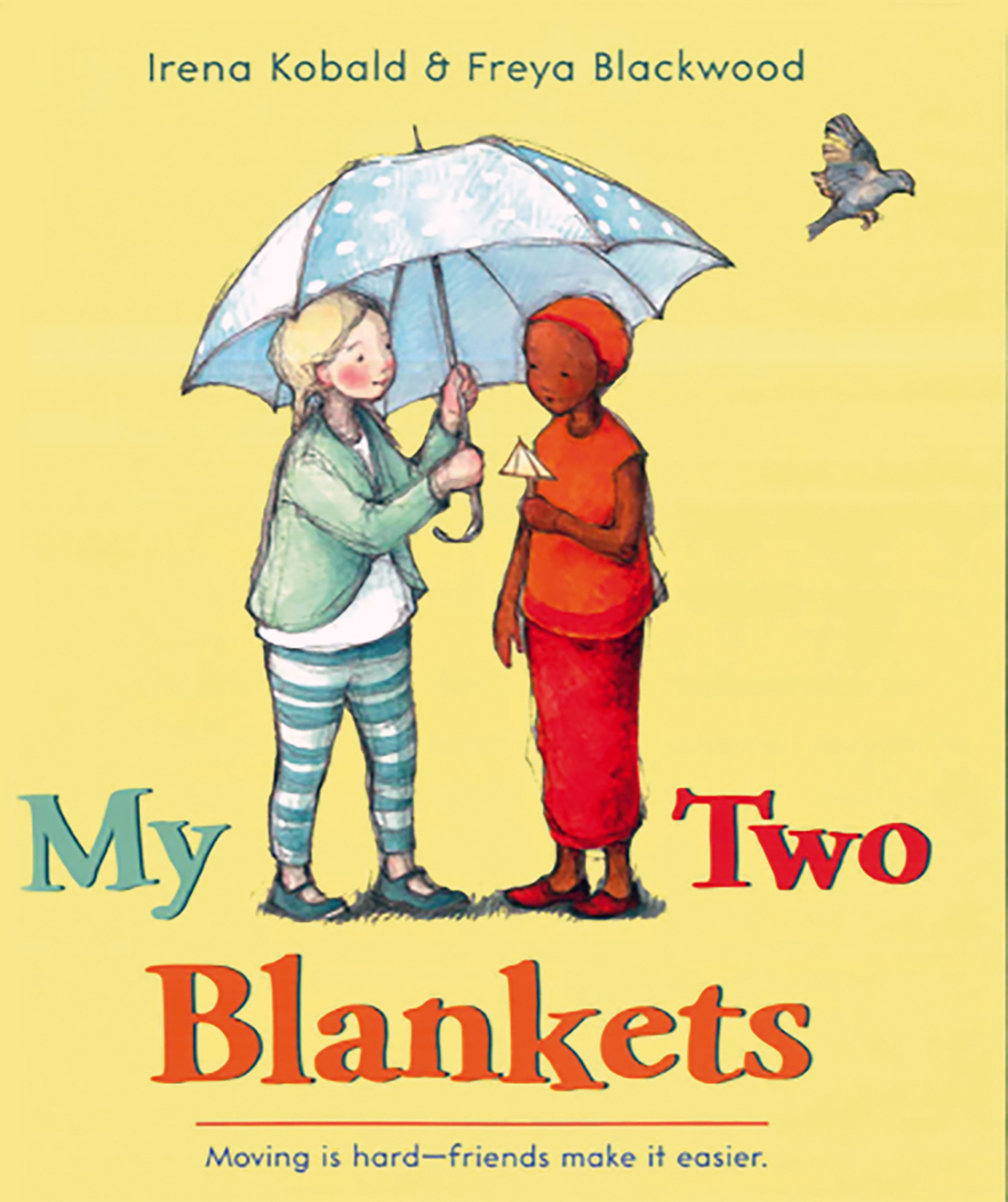
Figure 3 Text & illustrations © 2017 Kate Milner
The focus on the young child holding hands with the mother is a recurring theme in picture books that depict migrations. Generally, the figure of the father is absent, presumably having migrated earlier. The journey to the new destination brings the protagonists into contact with places and individuals with whom they share stops, movements, and times of waiting [figs 4-5].
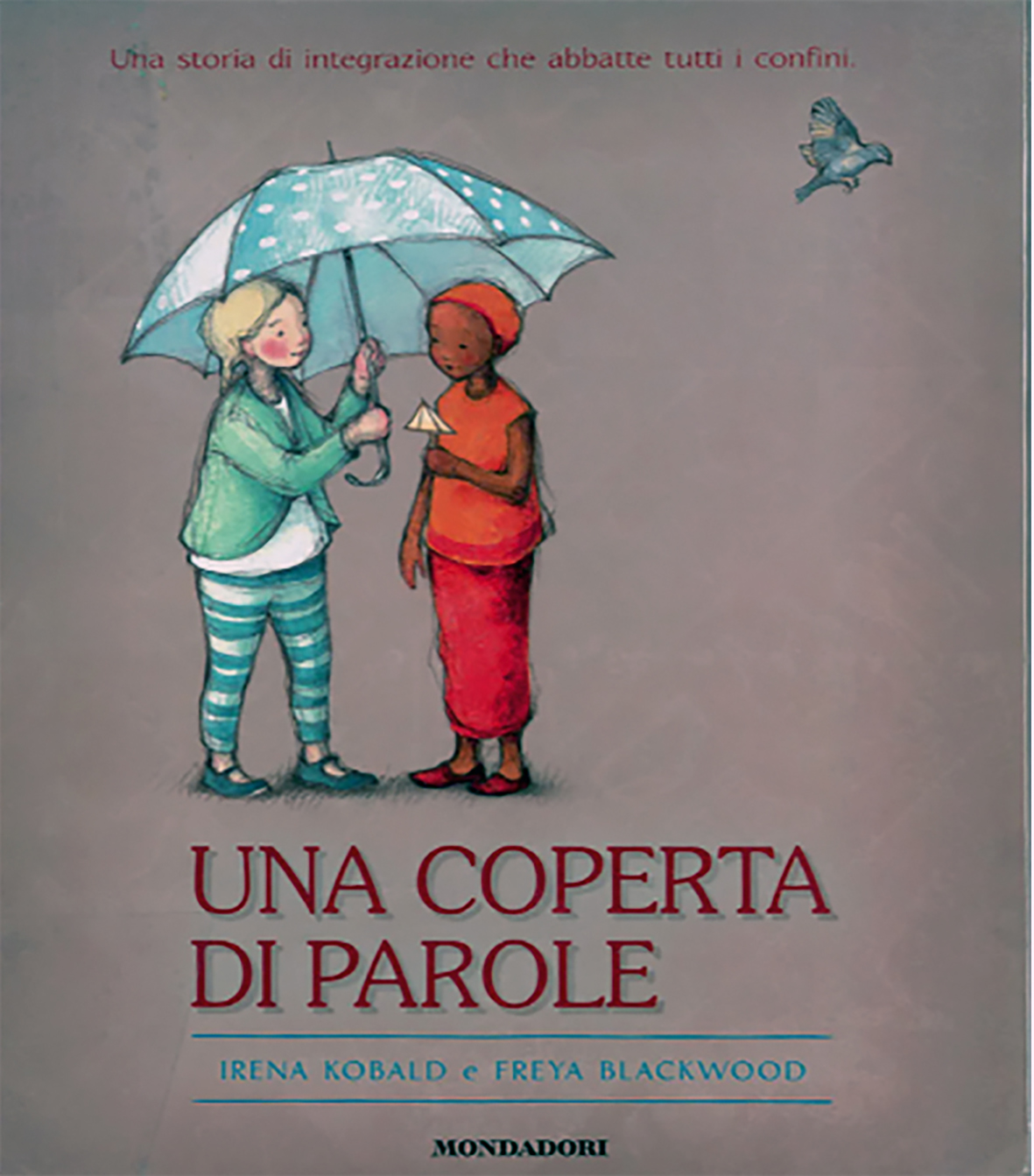
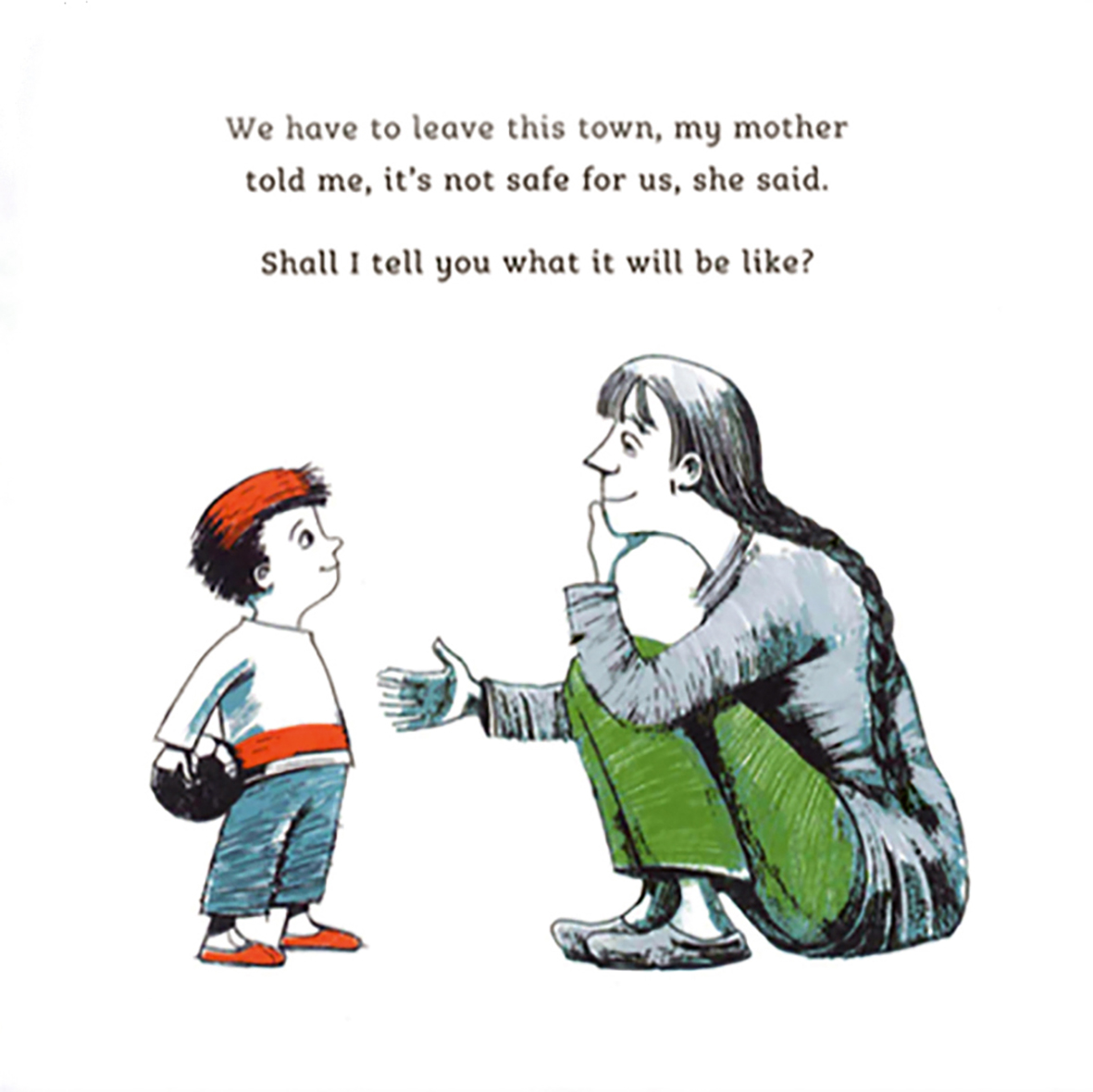
Figure 4 Text & illustrations © 2017 Kate Milner
Figure 5 Text & illustrations © 2017 Kate Milner
The initial feelings of disorientation upon arrival are material, emotional, and perceptual. The contact with the new language creates disorientation (“We’ll hear words we don’t understand”) [fig. 6].
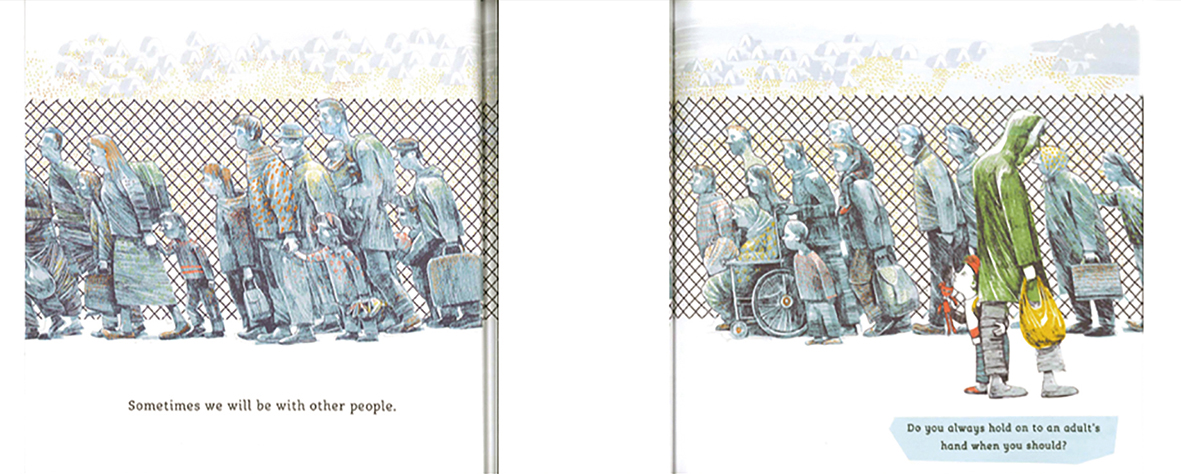
Figure 6 Text & illustrations © 2017 Kate Milner
Despite the emotional burden associated with the discovery of the ‘new’ being destabilising, there is still an ongoing search for a ‘safe’ place to settle and to reconnect with the need to feel ‘at home’ (“What things would remind you of your old home?”) [fig. 7].

Figure 7 Text & illustrations © 2017 Kate Milner
Soon, even linguistic estrangement will acquire a new meaning, and the new language will become a form of languaging (“And soon those strange words will start to make sense”) [fig. 8], as Humberto Maturana (1990) would say, capable of resignifying the experience of the refugee.
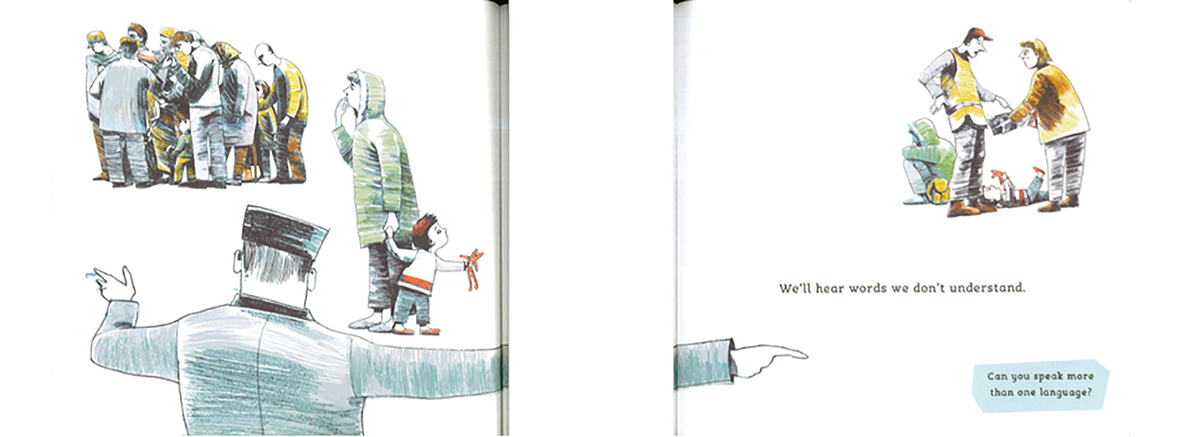
Figure 8 Text & illustrations © 2017 Kate Milner
The same thematic sequence characterizes the narrative structure of My Two Blankets. The story opens with the same narrative pattern: leaving the place of origin due to an ongoing war, seeking safety (“We came to this country to be safe”, 3). The effects of uprooting are described using the same narrative formulas as in My Name Is Not Refugee (“everything was strange”/“The people were strange”, 3), defining the place, the people, the food, the animals, the plants, and even the wind as disorienting. The solitude and linguistic estrangement (“Nobody spoke like I did”, 5) are vividly described through the metaphor of a liquid cascade of strange sounds experienced by the protagonist (“when I went out, it was like a waterfall of strange sounds”, 6), which is later emphasised through a visual metaphor in the representation of a tree with roots sinking into a small boat that is reminiscent of the ‘boats of the sea’ used by seafarers to reach the shores of the Mediterranean. Similarly, the theme of a sense of belonging to the place of origin is embodied not only in the construction of a relationship with the new language, but in keeping the past alive through the connection with an old blanket and the old language that provides security (“When I was at home, I wrapped myself in a blanket of my own words and sounds”, 8). The theme of friendship becomes a bridge that unites and assists (“Every time I met the girl, she brought more words. Some of the words were hard. Some of them were easy”, 21) in embracing the new language, signs, and sounds in a syncretic manner (“my new blanket grew just as warm and soft and comfortable as my old blanket”, 28).
Finally, the reading of the picture books under discussion can become an integral part of today’s curricula on the education of young children in many national settings. Starting from the assumption that PPETs – like architects and engineers – need blueprints to guide their work as early childhood teachers and have to learn to practice cross-cultural teaching, these picture books can also lead PPETs to focus on a set of questions, as follows, that prioritise the reshaping of ELF teaching practices from an intercultural perspective: how can we act through language(s)? To what extent does language carry the burden of culture? And which are the most concrete contemporary examples that narrate the extent to which language is (en)acted? The selected picture books incorporate the answers to these questions in the way that they thematise the current transcultural scenarios through which as speakers, teachers, scholars, or merely as readers we resort to language to establish a permanent exchange with the other(as). Such questions also echo the idea of ‘languaging’ elaborated by decolonial scholar Humberto Maturana (1990) as a way to decolonise the very concept of ‘language’ traditionally used as a noun that simply refers to a normative and institutional set of rules and principles. The shift from the noun to the verb (‘we language’) and to the gerund (‘languaging’) is central to a new view on more dynamic interactions among human beings within speakers’ communities (Maturana 1990, 29) that prove to be collective spaces of intercultural exchange.

Figure 9 Text & illustrations © 2017 Kate Milner
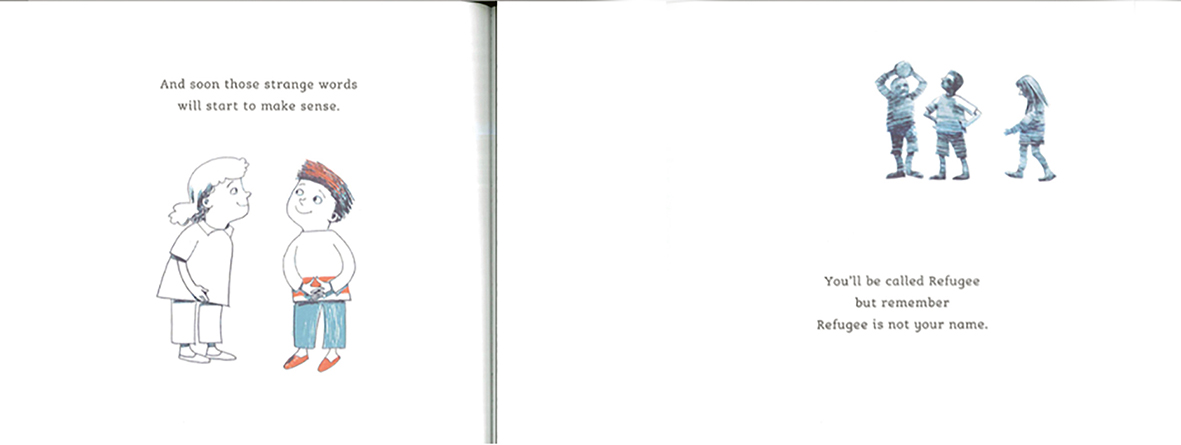
Figura 10 Text & illustrations © 2017 Kate Milner
4 Concluding Remarks
Finally, it is important to note that the conceptual framework offered in this study is not a model for PPET education programs, nor a set of assertions about which practices are the most desirable. In fact, there are no recipes, no best practices, no models of teaching and training that work across all differences in schools, communities, cultures, subject matters, purposes, and home-school relationships. Instead, what this study has attempted to do is to encourage the renewal of readings and representations related to the experiences of refugees and asylum seekers in Italy by activating a continuous process of thinking and rethinking the deep tensions and issues underlying the ideas of translingual and transcultural teaching practices. Crucially, one of the main observations of the study has been that training PPETs on children’s transethnic literature and migration-related contents proves to be difficult and uncertain work since it is profoundly practical, given that it is located in the daily routine of classroom decisions and actions: in teachers’ interactions with pupils and their families, in their choices of material and texts, in their use of formal and informal assessments. Accordingly, such a training is also a matter of developing a particular kind of pedagogy based on co-constructing knowledge and curricula with students and teachers, and on reaching the goal of assisting children as they develop into productive citizens in a pluralistic society.
In the light of this, it is essential that English teacher/educators continue their efforts to train PPETs by designing programs which focus on a decolonial and cohesive, culturally responsive pedagogy throughout the entire curriculum. Using such refugees’ narratives as those examined here promotes a metalinguistic reflection on language that has helped PPETs and their students alike to become familiar with stories that challenge the dominant ones and pave the way for a pedagogy of becoming that embraces diversity. Furthermore, a more critical acquaintance with the role of language(s) that is not merely representational fosters a decolonial awareness of English as a translingual practice, as a repertoire that transcends native speakerism to achieve the purpose of communication and community building in more inclusive, diverse, and ethical ways.
Bibliography
Bland, J. (2018). Using Literature in English Language Education. London: Bloomsbury Publishing.
Canagarajah, S. (1999). Resisting Linguistic Imperialism in English Teaching. Oxford: Oxford University Press.
https://doi.org/10.1093/elt/56.3.330
Canagarajah, S. (2013). Translingual Practice: Global Englishes and Cosmopolitan Relations. London; New York: Routledge.
https://doi.org/10.1111/josl.12095
Canagarajah, S. (2023). “Decolonization as Pedagogy. A Praxis of ‘Becoming’ in ELT”. ELT Journal, 77(3), 283-93.
Clandinin, J. (2013). Engaging in Narrative Inquiry. London; New York: Routledge.
https://doi.org/10.4324/9781315429618
Cullinan, B.; Galda, L. (2002). Literature and the Child. Belmont, CA: Wadsworth/Thomson Learning.
Firth, A. (1996). “The Discursive Accomplishment of Normality. On ‘Lingua Franca’ English and Conversation Analysis”. Journal of Pragmatics, 26, 237-60.
https://doi.org/10.1016/0378-2166(96)00014-8
Gay, G. (2002). “Preparing for Culturally Responsive Teaching.” Journal of Teacher Education, 53(2), 106-16.
https://doi.org/10.1177/0022487102053002003
García, O. (2010). “Languaging and Ethnifying”. Fishman, J.A.; García, A. (eds), Handbook of Language and Ethnic Identity: Disciplinary and Regional Perspectives. Oxford: Oxford University Press, 519-34.
https://doi.org/10.1525/jlin.2003.13.2.239
hooks, b. (1994). Teaching to Transgress: Education as the Practice of Freedom. London: Routledge.
hooks, b. (2003). Teaching Community: A Pedagogy of Hope. New York: Routledge.
House, J. (1999). “Misunderstanding in Intercultural Communication. Interactions in English as Lingua Franca and the Myth of Mutual Intelligibility.” Gnutzmann, C. (ed.), Teaching and Learning English as a Global Language. Tübingen: Stauffenberg, 73-93.
https://doi.org/10.12691/education-2-9-20
Ibrahim, N. (2020). “The Multilingual Picturebook in English Language Teaching: Linguistic and Cultural Identity”. CLELE, 8(2), 12-38.
Jenkins, J. (2000). The Phonology of English as an International Language. Oxford: Oxford University Press.
Jenkins, J. (2007). English as a Lingua Franca. Attitude and Identity. Oxford: Oxford University Press.
Jenkins, J. (2015). “Repositioning English and Multilingualism in English as a Lingua Franca.” Englishes in Practice, 2(3), 49-85.
https://doi.org/10.1515/eip-2015-0003
Kaiser, L. (2017). Rosa Parks/Little People, Big Dreams. Italian transl. by Kaiser, L. (2018), Rosa Parks. Piccole donne, grandi sogni. Milano: Fabbri Editore.
Kobald, I.; Blackwood, F. (2014). My Two Blankets. Clontarf: Little Hare Books. Italian transl. (2015), Una coperta di parole. Milano: Mondadori.
Kasten, W.C.; Kristo, J.V.; McClure, A.A. (2005). Living Literature: Using Children’s Literature to Support Reading and Language Arts. New York: Allyn & Bacon.
Machin, D.; Caldas-Coulthard, C.R.; Milani, T. (2016). “Doing Critical Multimodality in Research on Gender, Language and Discourse”. Gender and Language, 10(3), 301-8.
https://doi.org/10.1558/genl.v10i3.32037
Maturana, H. (1990). Emociones y Lenguaje en Educación y Política. Santiago de Chile: Ediciones Pedagógicas Chilenas.
Mignolo, W. (2011). The Darker Side of Western Modernity, Global Futures, Decolonial Options. Durham (NC); London: Duke University Press.
Mignolo, W.; Walsh, C.E. (eds) (2018). On Decoloniality: Concepts, Analytics, Praxis. Durham, NC; London: Duke University Press.
Milner, K. (2017). My Name Is Not Refugee. Edinburgh: Barrington Stoke. Italian transl. (2018), Il mio nome non è Rifugiato. Bologna: Les Mots Libres Edizioni.
Pennycook, A. (1998) English and the Discourses of Colonialism. London: Routledge.
Preisler, B. (1999). “Functions and Forms of English in a European EFL Country”. Bex, T.; Watts, R. (eds), Standard English: The Widening Debate. London; New York: Routledge, 239-67.
Rajagopalan, K. (2004). “The Concept of ‘World English’ and Its Implications for ELT”. ELT Journal, 58(2), 111-17.
Robles de Meléndez, W. (unpublished). “Creating the Multicultural Environment” = Conference Proceedings (Florida Department of Education, Tampa, FL, 2004).
Rubini, A.; Taronna, A. (2023). “Insegnare e/a narrare la migrazione, la cittadinanza e l'inclusione da una prospettiva interdisciplinare Gli albi illustrati come casi-studio”. De Franceschi, L., Migrazioni, cittadinanze, inclusività. Narrazioni dell’Italia plurale, tra immaginario e politiche per la diversità. Roma: tab edizioni, 167-86.
Seidlhofer, B. (2004). “Research Perspectives on Teaching English as a Lingua Franca”. Annual Review of Applied Linguistics, 24, 209-39.
https://doi.org/10.1017/S0267190504000145
Seidlhofer, B. (2011). Understanding English as a Lingua Franca. Oxford: Oxford University Press.
Silverstein, M. (1996). “Monoglot ‘Standard’ in America. Standardization and Metaphors of Linguistic Hegemony”. Brenneis, D.; Macaulay, R.H.S. (eds), The Matrix of Language: Contemporary Linguistic Anthropology. Boulder (CO): Westview Press, 284-306.
Taronna, A. (2016). Black Englishes. Pratiche linguistiche transfrontaliere Italia-USA. Verona: ombre corte.