Looking for the Signs
An Unfinished Royal Bowl from Karmir-Blur of Minua, King of Urartu
Abstract Among the most representative objects not only of metallurgy, but of the Urartian kingship itself, there is a rather conspicuous group of bronze bowls bearing short inscriptions in cuneiform. These texts allow to attribute the ownership of these objects to a series of Urartian rulers. Since 2022, a new project has been underway to study comprehensively these objects, most of which are stored in the History Museum of Armenia. The present article deals with two bowls referable to king Minua, son of Išpuini, one of which, unpublished, bears an unfinished inscription. A reconstruction of this inscription is given based on microscopic analysis of the epigraph preparation marks.
Keywords Urartu. Bronze bowls. Minua. Karmir-blur. Cuneiform inscriptions.
1 Introduction
In the summer of 2022, as part of a cooperation agreement signed between the History Museum of Armenia and ISMEO – The International Association for Mediterranean and Oriental Studies, a project was initiated for a new study and classification of the Urartian materials preserved within the Museum. The first objects selected for this project were 71 bronze bowls with Urartian royal inscriptions discovered during excavations at Karmir-blur/Teišebai.URU [fig. 1]. The site of Karmir-blur is one of the most important Urartian sites on the Armenian Highlands; its most relevant occupation is the Urartian period (seventh century BCE), to which most of the evidence dates (see Grekyan 2021). The citadel was founded by Rusa, son of Argišti, towards the end of Urartian history, and the circumstances of its destruction are still debated. It seems possible that the site continued its life beyond what is believed to be the fall of the Urartian state in the second half of the seventh century BCE. Several bronze shields (CTU B 8‑2, B 8‑3, B 8‑4) and a solid bronze cylinder (CTU B 8‑21) bearing inscriptions of Argišti, son of Minua, are particularly relevant for the aim of this article, as they report that they were originally realised and preserved in Erebuni and only subsequently moved to Karmir-blur. This circumstance has allowed us to hypothesise that the objects bearing inscriptions of kings preceding Rusa, son of Argišti, were all originally preserved somewhere else and moved to Karmir-blur only when this became the new royal residence and the main administration centre of the Ararat Plain (Dan, Bonfanti 2023, 172).
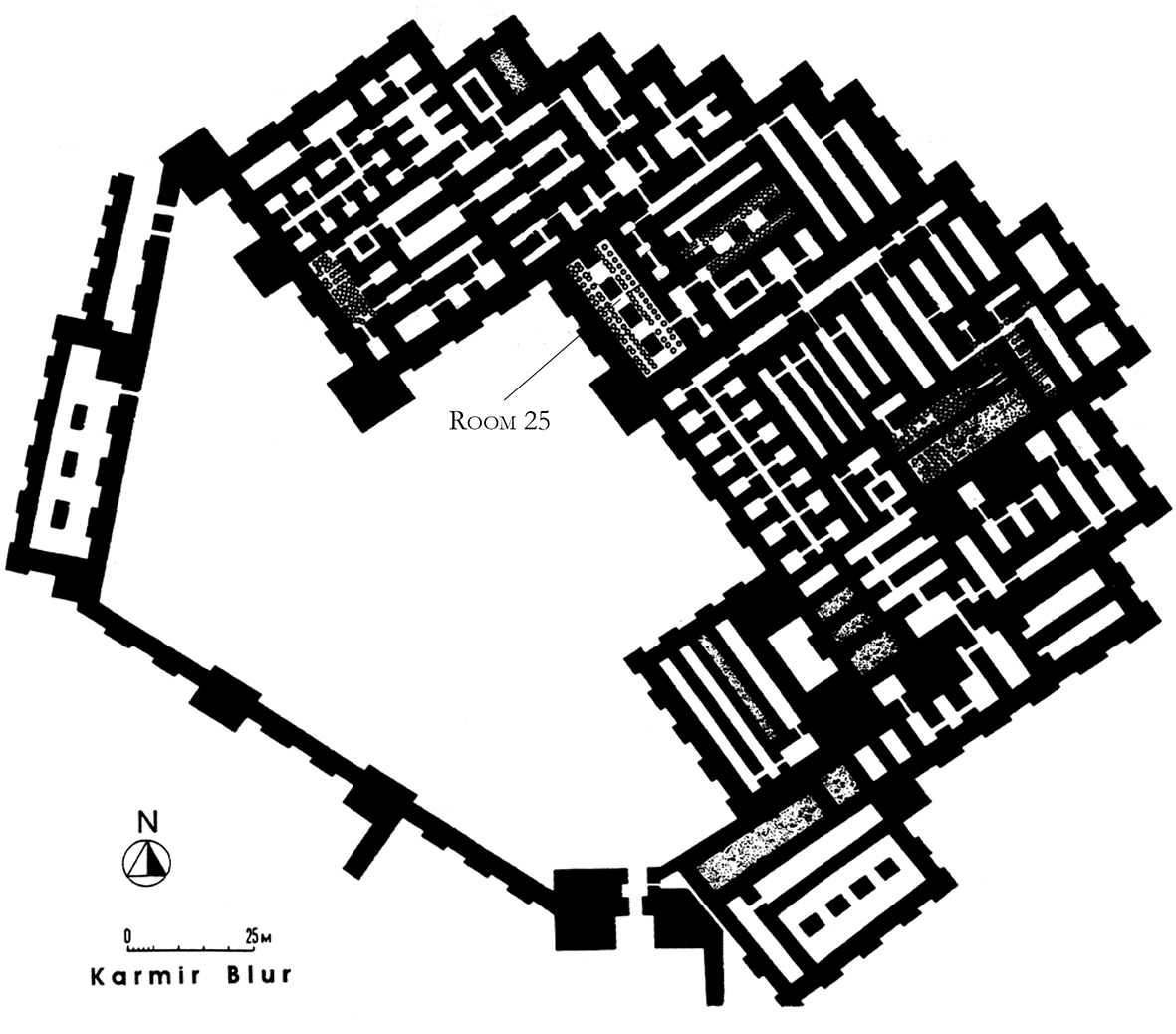
Figure 1 Plan of the Karmir-blur fortified complex (adapted after Seidl 2004, fig. 2)
The bowls were discovered in 1949 (Piotrovskij 1950, 59‑60; Piotrovskij 1952, 20, 54‑64), all found inside pithos nos 4 or 5,1 which was sealed by wooden planks, in storeroom 25, at the basement level of the fortified complex. The deposition of these objects within the pithos clearly appears to be intentional, and the only terminus for dating this deposit appears to be the most recent inscription, whose date is still debated.
1 Pithos no. 4: Piotrovskij 1951, 110; Piotrovskij 1952, 56. Pithos no. 5: Piotrovskij 1952, 20.
The first bowl considered in the present study (Bowl A; fig. 2), kept at the History Museum of Armenia under inventory number 2010/3252, is a peculiar and unique specimen in the panorama of the research, as it bears an unfinished inscription of the ruler Minua [figs 3‑4], thus datable to early Urartian history (see Burney 2021, 95‑6). The careful observation of the bowl offers evidence for the study of the stage preceding the final manufacturing of the inscription, as the latter is carved as a sort of preliminary ‘draft’ from which the entire text can be reconstructed here for the first time. This specimen also offered the opportunity to study in person another bowl (Bowl B; fig. 5) bearing the same text (stored at the History Museum of Armenia, inventory number 2010/327; figs 6‑7), published only in a drawing by Piotrovskij (1952, 55, fig. 26; fig. 8a), which, upon collation of the text, appears to be incorrect [fig. 8c].
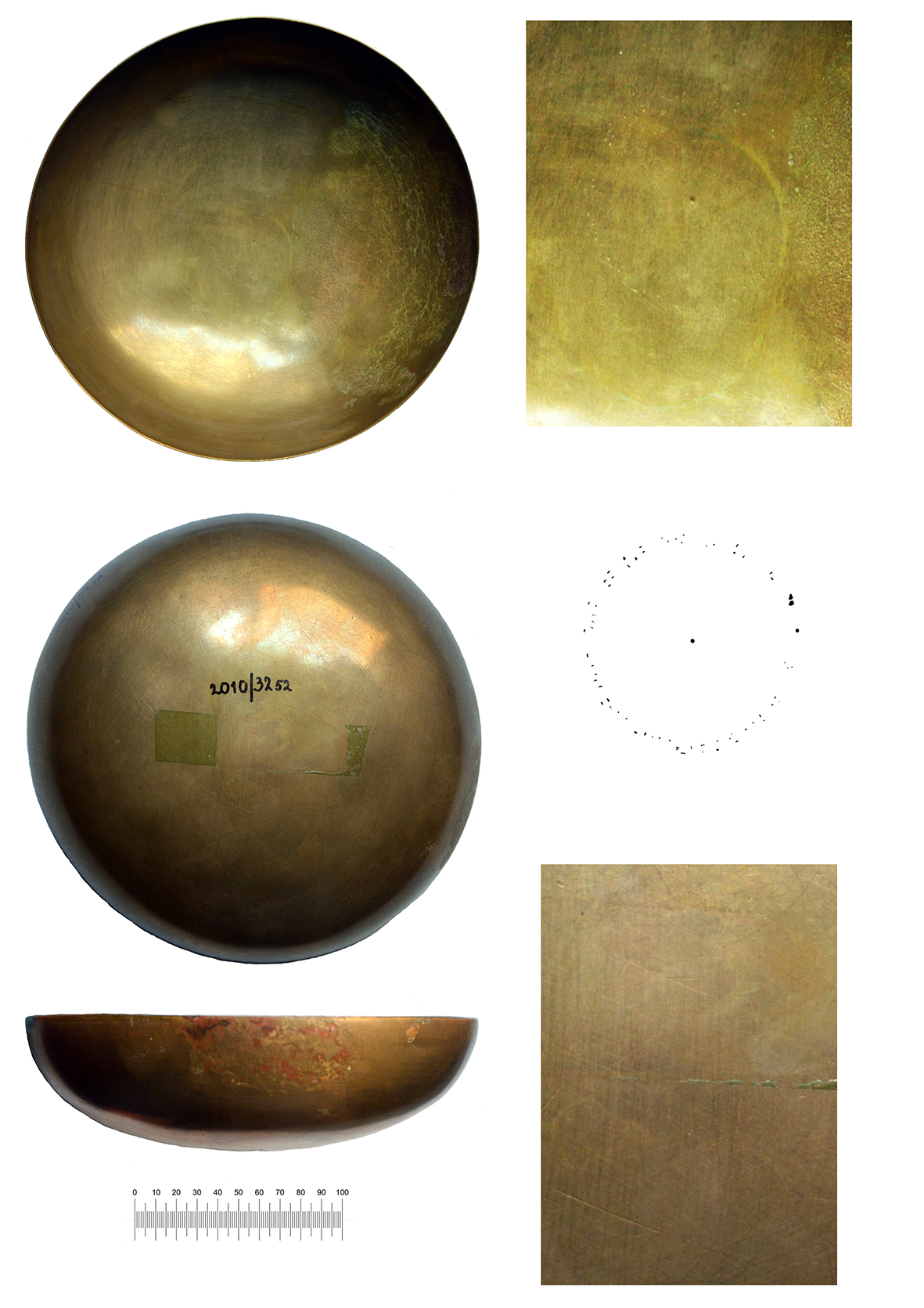
Figure 2 Urartian inscribed royal bowl with an unfinished inscription by king Minua (Bowl A)
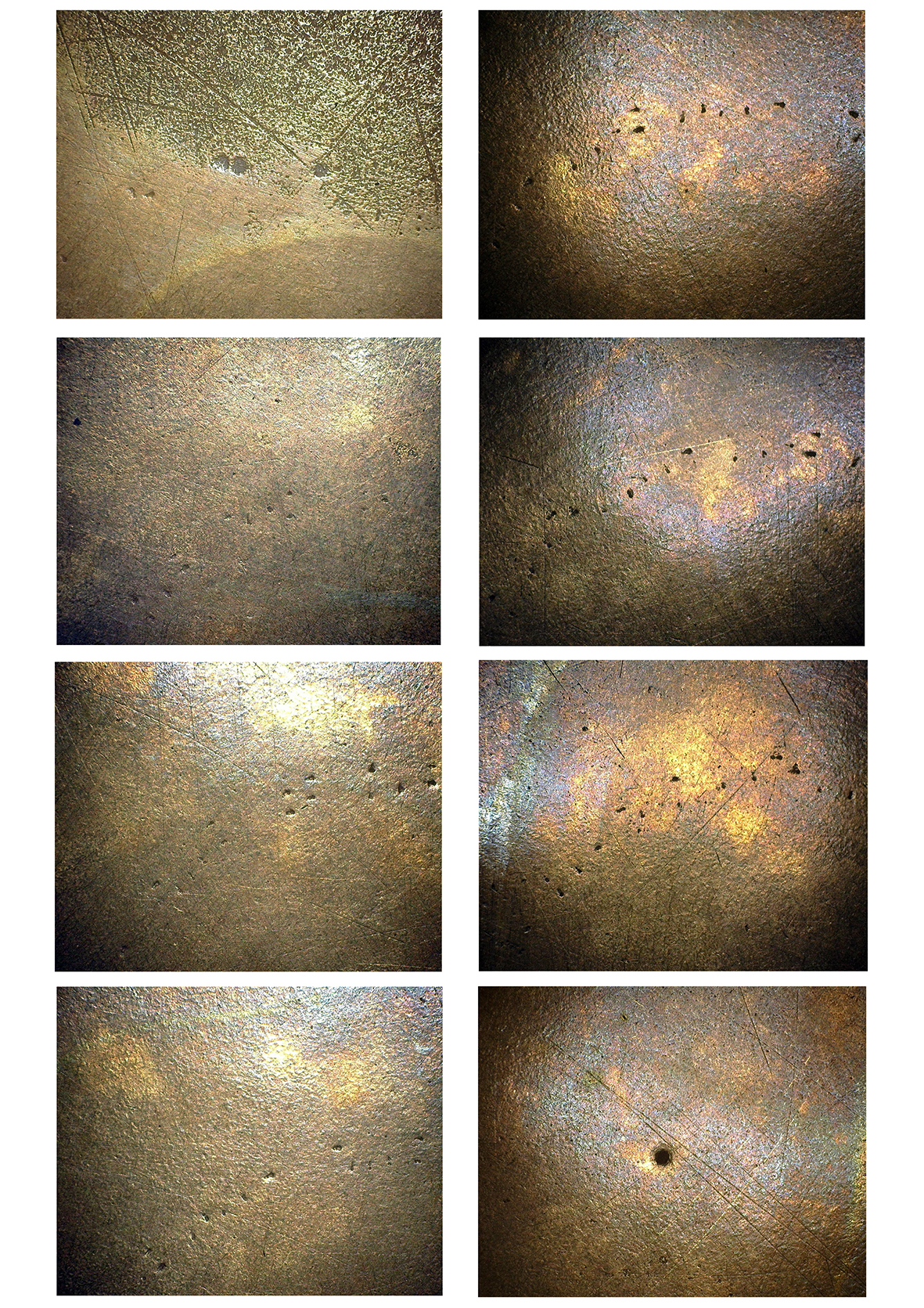
Figure 3 Microscopic views of the inscribed royal bowl with an unfinished inscription by king Minua (Bowl A)
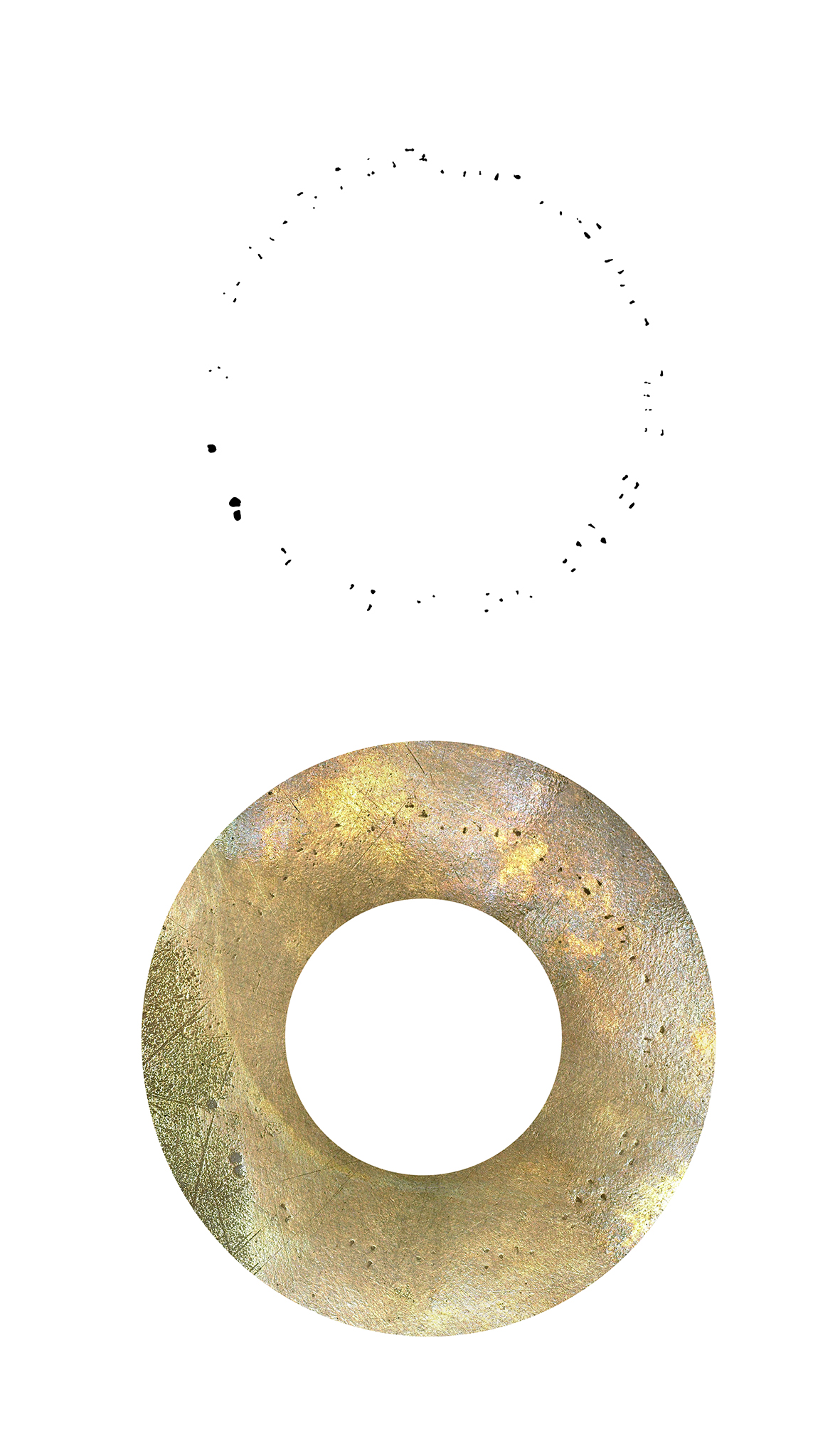
Figure 4 Microscopic view and drawing of the unfinished inscription by king Minua (Bowl A)
The bowls were first published by B.B. Piotrovskij in 1951, when he summarised the findings of the excavations of pithos 4, Storeroom 25. Within the second volume of the excavation reports from Karmir-blur (Piotrovskij 1952, 54‑64) an entire chapter has been devoted to Urartian inscriptions on metal objects, where the author reports the (erroneous) drawing of the epigraph engraved on bowl B, in a figure dedicated to the inscriptions of Minua on bronze bowls (Piotrovskij 1952, 55, fig. 26D). The inscription was never later checked again in person, and it appears in the corpora as: mmì-nu-<a->i-ni-e-i ú-ri-<iš>-ḫu-si-ni-e-i (see Salvini 2012, CTU B 5‑5C, with previous bibliography). The bowl A has never been studied individually, probably due to the preliminary condition of the incised inscription, which is not visible to the naked eye; in publications that have analysed the bowls’ corpus as a whole (Seidl 2004, 24; Salvini 2012, 29‑30) only bowl B is considered to bear the previously mentioned erroneous text, based on the erroneous drawing by Piotrovskij.2
2 Salvini (2012, 29) refers to the specimen catalogued as 2010/32/52 when publishing the text CTU B 5‑5C, saying explicitly that it is not possible to collect pictures of this specific object.
A picture of bowl A has never been published before, and it was considered appropriate here to study it together with the specimen B, as they bear the same cuneiform inscription; in fact, they turned out to be the only two bowls bearing the same variant of this epigraph of king Minua. In the present article, the authors will provide a reading of the unfinished bowl’s text and highlight some peculiar features belonging to both specimens.
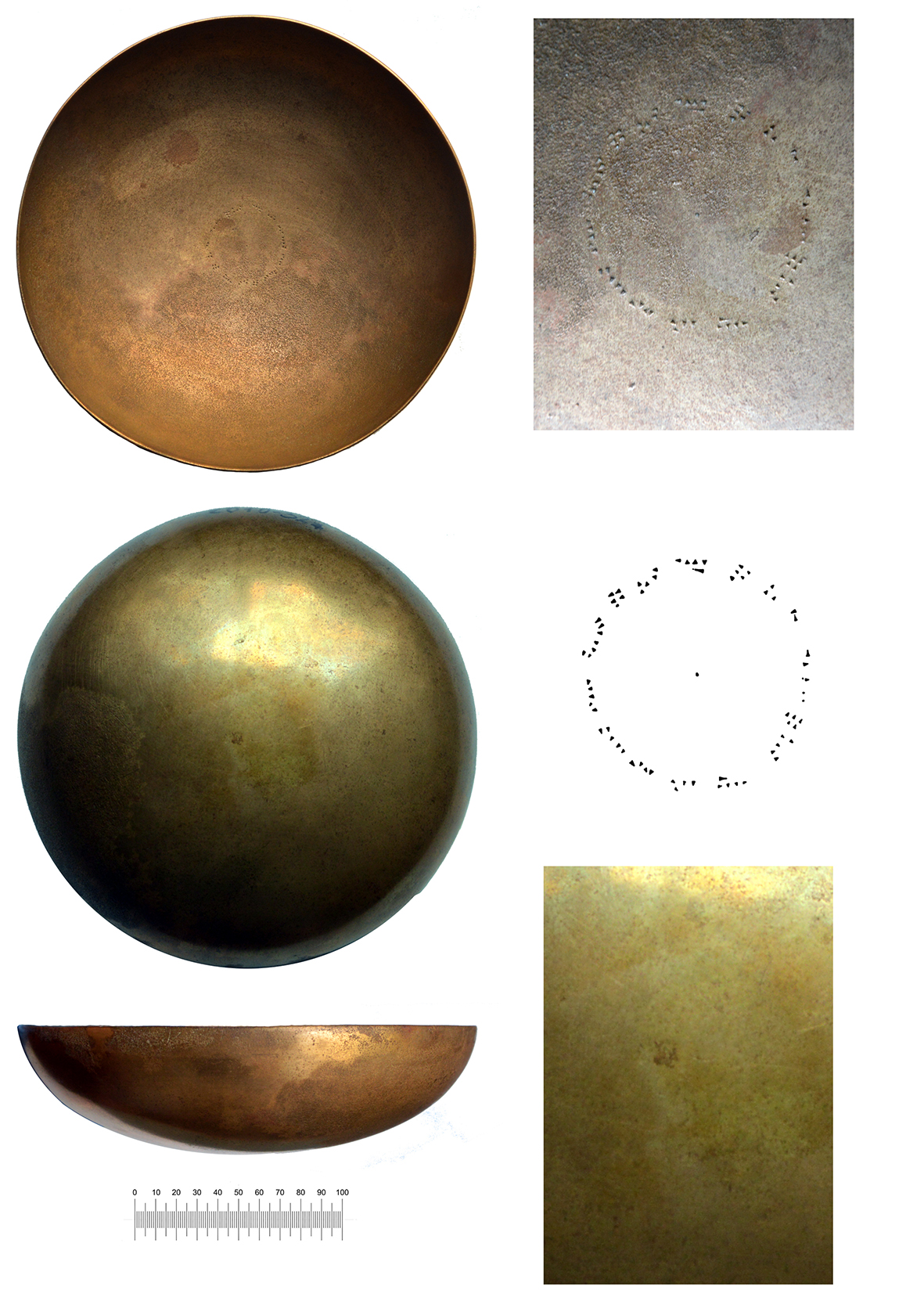
Figure 5 Urartian inscribed royal bowl with an inscription by king Minua (Bowl B)
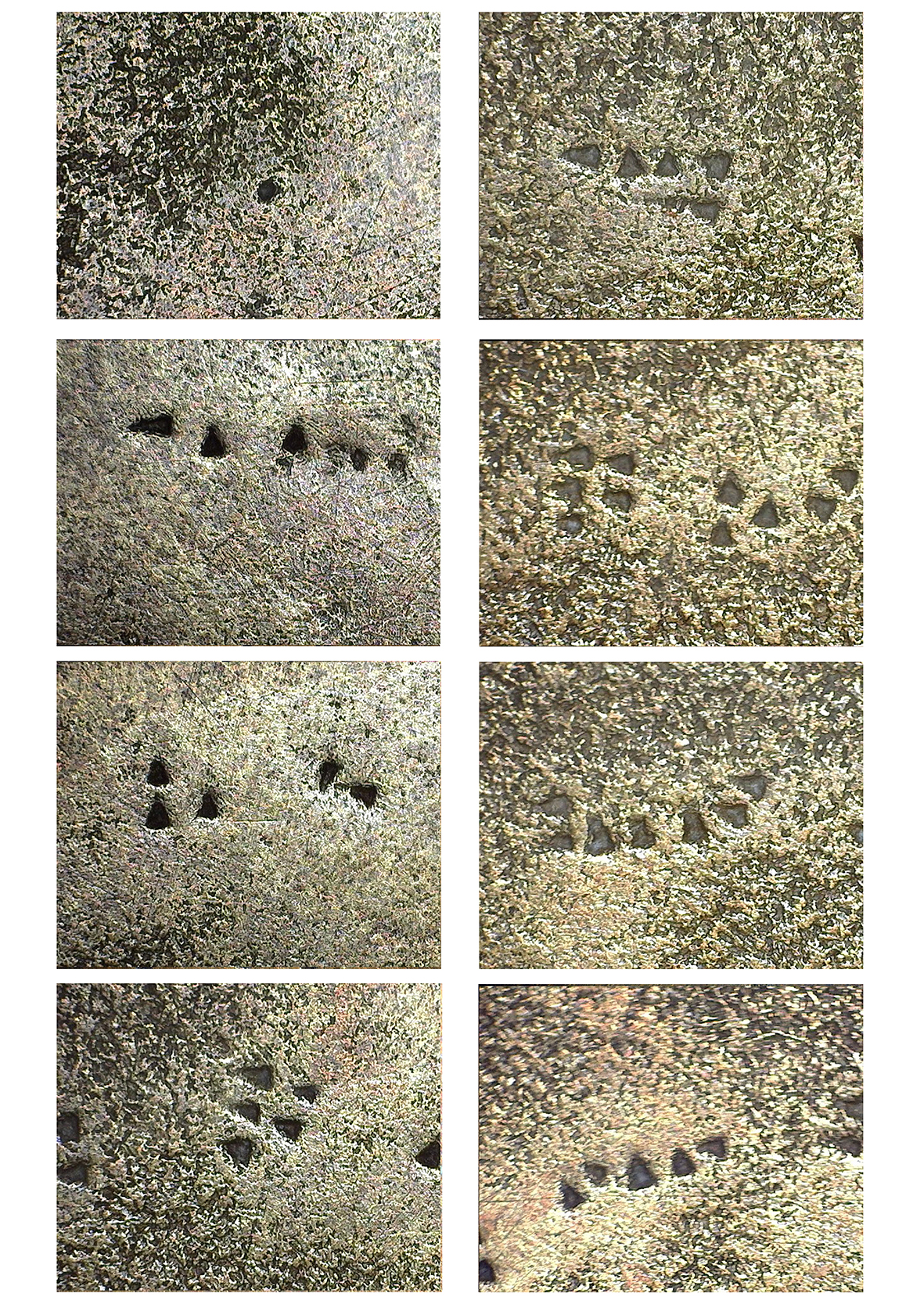
Figure 6 Microscopic views of the inscribed royal bowl with an inscription by king Minua (Bowl B)
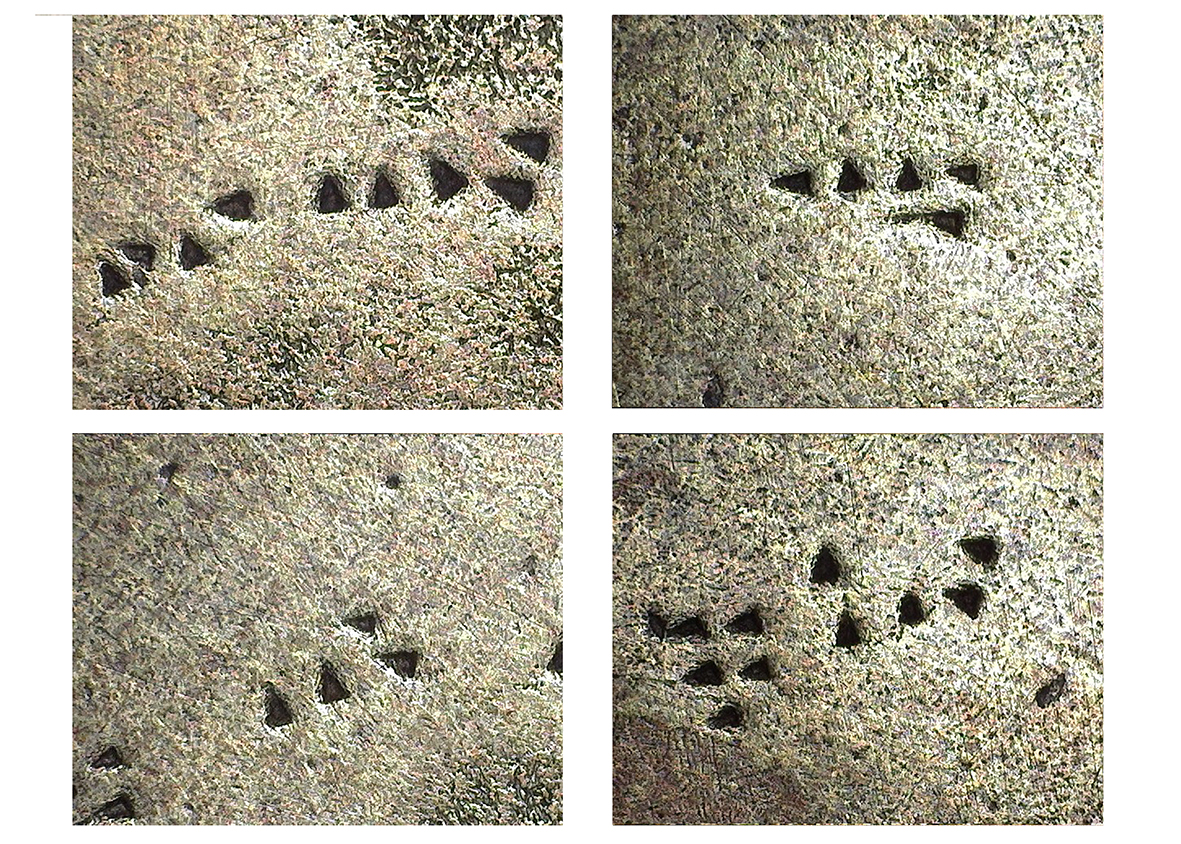
Figure 7 Microscopic views of the inscribed royal bowl with an inscription by king Minua (Bowl B)
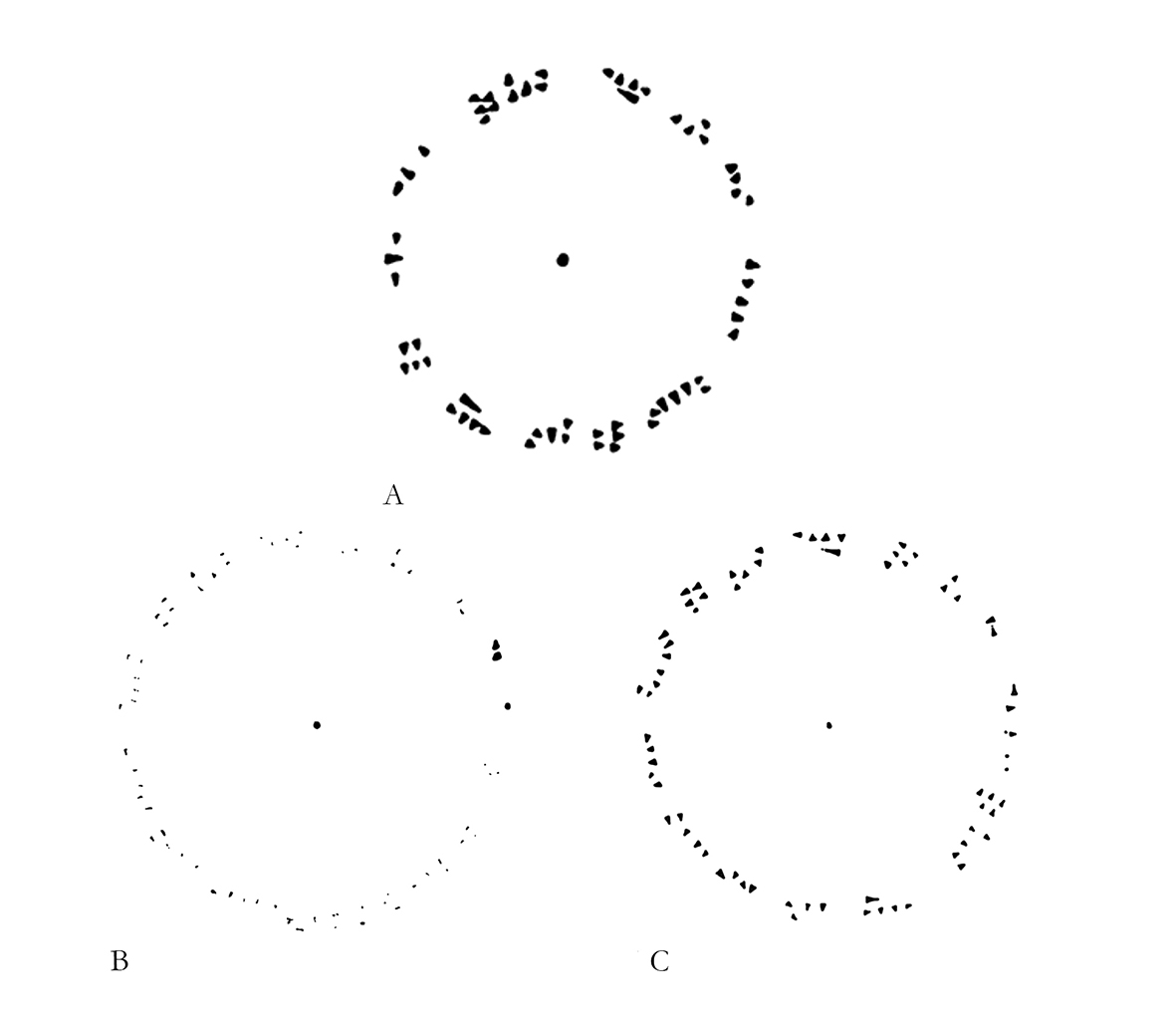
Figure 8 Drawings of the Minua’s bowls: A) Bowl B (after Piotrovskij 1952, 55, fig. 26D); B) Bowl A; C) Bowl B
2 Size and Morphology of the Bowls
The bowls considered in this paper are hemispherical shallow bowls with a continuous profile, an indistinct rim, and a concave bottom in continuity with the profile. They fall into a standardised morphology comparable with all the other specimens of Urartian inscribed metal bowls (see Seidl 2004, 55‑9). The unfinished bowl (A) weighs 305 grammes and has a diameter of 18.9‑19.2 cm, a thickness of 0.1 cm, and a height of between 5.1‑5.6 cm. The other one (B) weighs 456 grammes and has a diameter of 19.2 cm, a thickness of 0.2 cm, and a height of between 5‑5.9 cm. The inscriptions are placed at the centre of the internal surface of the bowls and don’t have any iconographic apparatus, as is usual for Minua’s bowls (see Seidl 2004, 24‑5). The inscriptions follow a circular shape traced with the use of the compass, which can be reconstructed thanks to the needle impression at the centre of the bottom in both bowls. Both inscriptions present a counterclockwise development.
3 Reconstruction of the Unfinished Inscription
Based on the careful examination of the preliminary drafts of the cuneiform signs, it is possible to suggest the following transcription of the entire inscription engraved on bowl A [fig. 8b]:
[mmì-]nu-a-˹i˺-ni-i-e-i ú-ri-iš-ḫu-˹si-ni-e-i-i(?)˺
The inscription comprises at least sixteen signs preliminary to the final cuneiform that will be engraved later; it runs counterclockwise, as usual, following a circular outline traced with a compass (see above). These preliminary marks are found in correspondence with the single wedges that form the cuneiform signs: sometimes they are well executed (see, for example, the traces for the sign ‘e’), while in other cases they are rather sketchy drafts (see the final signs of the inscription).
Reading the epigraph from these preliminary signs is not particularly difficult, as we are dealing with a standardised inscription modelled on others already well attested in the corpus of inscriptions of Minua (CTU B 5‑5, in particular 5‑5C). Having been able to study the inscriptions on the Urartian bronze bowls in the History Museum of Armenia in person, it was also possible to complete and confirm the reading so far given to the epigraph on the bowl B, catalogued by Salvini as CTU B 5‑5C3 and originally based on an incorrect drawing by B.B. Piotrovskij (1952, 55, fig. 26D). The final transcription is:
3 Salvini 2012, 29: “1 mmì-nu-<a->i-ni-e-i ú-ri-<iš->ḫu-si-ni-e-i. L’omissione di due segni su questo esemplare, di cui non è reperibile una fotografia, viene da Harutjunjan attribuita alla copia di Piotrovskij”.
mmì-nu-a-i-ni-e-i ú-ri-iš-ḫu-si-ni-e-i
The only discordant reading of bowl A with respect to bowl B and to other already known inscriptions seems to be at the end of the epigraph, which may present an additional sign compared to the previous epigraphs. In fact, the reading seems to agree with the other epigraphs, although the preliminary signs become less clear from the middle of the second word to the final ni-e-i signs. At that point, however, the draft of a further sign seems to be engraved, represented by the three dots highlighted in the figure [fig. 6], which could be another ‘i’ sign: however, this spelling of the word urišḫusini is not attested elsewhere, making this reading unique. Here too, the bowl B helps the reader [fig. 8c]: the photograph shows the incision of two dots at the end of the inscription, separating the last cuneiform sign from the first one, indicating the beginning and end of the epigraph. It is possible that the dots engraved on the draft of the epigraph on bowl A also have the same function, which is not attested in any other case apart from these two among the inscriptions on Urartian royal bowls. If this were the case, the inscription should be read with the corrections already mentioned, as CTU B 5‑5C:
mmì-nu-a-i-ni-i-e-i ú-ri-iš-ḫu-si-ni-e-i··
A first hypothesis regarding the incompleteness of the epigraph is that the metalworker made a mistake in measuring the entire inscription, arriving at the end of the drafts, and realising that it was not well distributed within the available space and, therefore, avoiding concluding it by carving the final cuneiform signs. Another observation regarding the epigraph is to refer to the two initial marks, mmì: the marks are undoubtedly placed in the correct position for these two signs to be made, but the craftsman does not seem to have gone over them carefully, making two incised marks that, instead of being wedge-shaped, have an indistinct shape. Again, it is possible to assume that the epigraph was not finished due to an error by the metalworker, who did not make the two initial marks properly.
4 Conclusions
The two bowls analysed in this article are part of a group of at least six specimens of bronze bowls inscribed by the Urartian ruler Minua, son of Išpuini; the inscription engraved on them is a graphic variant of those already known from the other bowls. The ductus of the inscriptions, or at least of the finished one, is rather ‘triangular’, similar to that of the sovereign’s monumental epigraphs, presenting some graphic peculiarities in the rendering of the signs on metal that will have a follow-up in Urartian epigraphy: one should note, for example, the rendering of the sign ‘ú’, with shortened vertical wedges, which will also have continuity in the bronze texts of Sarduri, son of Argišti (see, for example, the bowl preserved in the History Museum of Armenia with the inventory number 2010/32/66). Within the group of Minua’s bowls, it would seem possible to distinguish at least two different phases of production based on a systematic analysis of the used ductus. The first period’s ductus would seem to refer to a phase probably prior to Minua’s enthronement, possibly ascribable to the phase of the so-called ‘co-regency’ with Išpuini, as the similarity of the ductus to some of his father’s inscribed objects would suggest. The bowls analysed, on the other hand, appear to belong to a later period and are similar to the ‘monumental’ ductus, which would later be characteristic of the bowls of his successors.
The corpus of Minua’s bowls is particularly important because it represents the model for later Urartian inscribed bowls, which will take up the morphology and sometimes even the text, forming a coherent set of objects typical of Urartian kingship. No iconographic elements are found in Minua’s bowls, unlike later ones, when mainly tower temples and lion heads are depicted.
What is surprising is the finding of the entire corpus of inscribed bronze bowls within a single pithos in the site of Karmir-blur, configuring the find as a conscious repository of these objects referable to Urartian rulers: even the unfinished bowl was thus clearly perceived as a property of Minua, to be preserved together with the other specimens whose inscription was finished. It is unclear, to this day, whether the person who deposited the bowls was able to read cuneiform and understand Urartian, and whether he was therefore aware of the antiquity of the object he had in his hands and which, at that time, must have been produced at least two centuries earlier. What emerges, however, is the perception of the bowl as inscribed, and therefore worthy of being preserved among the other finished specimens, even though it was not complete.
Bibliography
Burney, C. (2021). “Historical Light on the Kingdom of Urartu”. Tsetskhladze, G.R. (ed.), Archaeology and History of Urartu (Biainili): Dedicated to the Memory of Prof. Altan Çilingiroğlu. Leuven: Peeters, 91‑110.
CTU B = Salvini, M. (2012). Corpus dei Testi Urartei IV. Iscrizioni su bronzi, argilla e altri supporti; nuove iscrizioni su pietra; paleografia generale. Roma: CNR. Documenta Asiana 8.
Dan, R.; Bonfanti, A.S. (2023). “Drinking Like an Assyrian King. An Urartian Inscribed Royal Ribbed Bowl Property of Sarduri (I), Son of Lutipri”. Journal Asiatique, 311(2), 171‑84.
Grekyan, Y. (2021). “Karmir-Blur”. Tsetskhladze, G.R. (ed.), Archaeology and History of Urartu (Biainili): Dedicated to the Memory of Prof. Altan Çilingiroğlu. Leuven: Peeters, 651‑80.
Piotrovskij, B.B. (1950). Karmir-blur I, Rezul’taty Raskopok 1939‑1949 (Karmir-blur I, Results of the Excavations of 1939‑1949). Yerevan: Izdatel’stvo Akademii Nauk Armianskoj SSR. Archeologičeskie raskopki v Armenii 1.
Piotrovskij, B.B. (1951). “Klinoobraznye nadpisi na bronzovych casach iz raskopok na Karmir-blure v 1949 g (Cuneiform inscriptions on bronze bowls from the excavations at Karmir Blur in 1949)”. Epigrafika Vostoka, 5, 110‑12.
Piotrovskij, B.B. (1952). Karmir-blur II, Rezul’taty Rabot 1949‑50 (Karmir-blur II, Results of the work of 1949‑50). Yerevan: Izdatel’stvo Akademii Nauk Armianskoj SSR. Archeologičeskie raskopki v Armenii 2.
Seidl, U. (2004). Bronzekunst Urartus. Mainz: von Zabern.